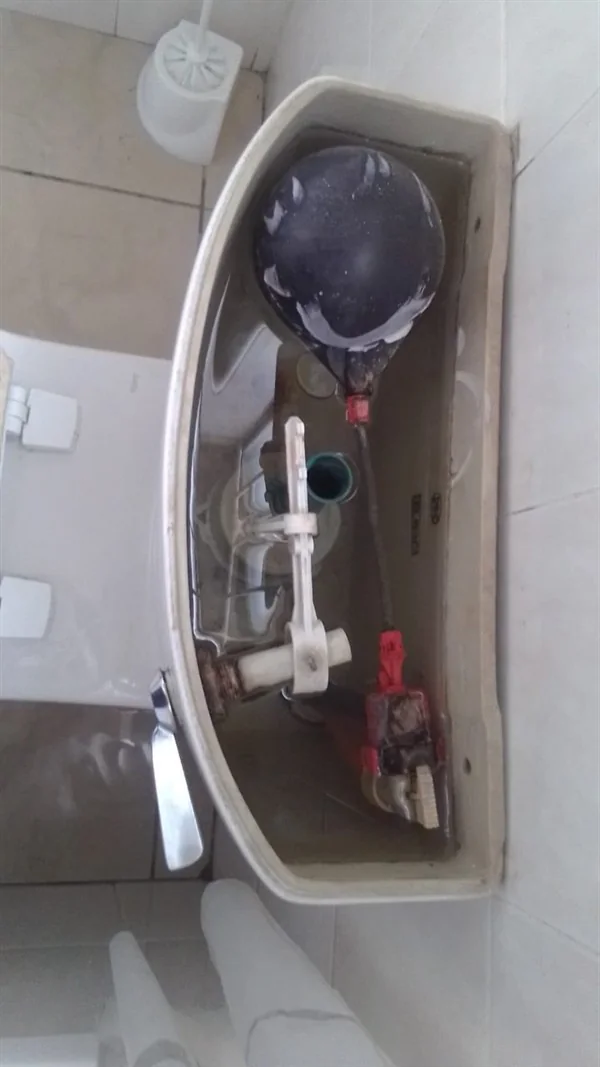
toilet repairs diagnosis
Toilet Repairs start with the correct fault boundary.
Toilet repair work should separate clean-water supply faults, cistern mechanisms, pan connector seals, trap-seal behaviour and downstream waste-line symptoms before any part is replaced. A running cistern may be caused by the fill valve, flush seal, float setting, overflow height, pressure creep or mineral build-up. A leak at the base may come from a pan connector, a wax-style seal, a cistern fixing, an inlet pipe or moisture tracking from another fixture. A weak flush may be a water-level issue, rim-jet restriction, pan trap problem, poor ventilation or early branch-line blockage. This fault-boundary approach prevents guesswork and helps the technician decide whether the repair is a cistern service, an isolation valve repair, a pan-to-drain seal repair, a pressure-control check, blocked toilet clearing or wider bathroom drainage work. It also protects customers from paying for parts that do not address the real cause.
For a professional repair, the toilet is also checked as part of a complete bathroom plumbing system: clean-water pressure, isolation control, SABS-approved or standards-conforming parts, soil-water sealing, trap reseal, ventilation, floor movement and downstream drainage all affect the result. This is why a simple running cistern, smell or base leak should not be treated as only a cosmetic fault. A toilet that is repaired with the wrong seal, an inaccessible valve, excessive static pressure, poor ventilation or a hidden pipe under strain can fail again even when the first flush looks normal.
Quick details that help before arrival
Useful repair details include whether the cistern keeps filling, whether the flush is weak or delayed, whether water appears at the base only after flushing, whether the toilet bubbles, whether the inlet valve hammers, and whether odour appears after nearby basins, showers or baths are used. A short video of the cistern filling, the pan bubbling or the leak forming can be more useful than a cleaned-up floor because the timing of the symptom points to the likely fault route.
Bathroom branch-line symptoms are checked when the toilet bubbles, pulls low, drains slowly, gurgles or reacts when a nearby fixture empties. That pattern can indicate poor drainage ventilation, a partial obstruction, trap-seal movement or a branch-line restriction rather than a simple cistern mechanism fault. For Gauteng properties with older fittings, mineral scale and higher supply pressure can also affect fill valves, flush consistency and noisy operation.
technical repair checks
Technical toilet repair checks that prevent repeat call-backs.
Small toilet faults can become expensive when the visible symptom is treated without checking the supply pressure, cistern calibration, pan-to-drain seal, trap reseal, ventilation path, material quality and pipe movement. These checks are included to separate quick part replacement from drainage, compliance or hidden-leak issues.
SANS 10252-2, drainage ventilation and soil-water compliance
Pan-to-drain repairs, soil-water connections and drainage alterations are approached with SANS 10252-2 drainage-installation principles in mind. That means the toilet connection, pan connector, branch line, trap-seal behaviour and ventilation are checked together, not as separate guesses. Poor ventilation can cause gurgling, bubbling, trap-seal loss and sewer gases returning into the bathroom, even after the pan has been cleaned. Where significant soil-water pipework is altered or a new toilet suite is installed, the fixed plumbing work should be completed by a suitably registered plumber and a PIRB plumbing CoC should be issued where required for compliance, insurance or property-transfer records.
Cistern water level, overflow setting and the 2 cm rule
A running toilet is often caused by a flush seal, inlet valve or float issue, but professional diagnosis also checks the calibration inside the cistern. For many bottom-entry valve setups, the working water level is kept about 25 mm below the overflow outlet, or close to the manufacturer’s marked level. This prevents water creeping into the overflow and causing phantom flushing, while still leaving enough volume for a full first flush. The fill valve must also be positioned so the Critical Level, often marked “C.L.” on the valve body, remains at least 25 mm above the overflow outlet to reduce back-siphon risk.
Static pressure checks and fill-valve hammer
Modern toilet inlet valves can be sensitive to high or unstable pressure. If the fill valve bangs, whistles, hammers, refuses to shut off or fails repeatedly, the repair should include a pressure-behaviour check instead of simply replacing the same valve again. For many domestic installations, stabilising static pressure at or below about 600 kPa helps protect cistern fill valves, flexible connectors and isolation valves, while still keeping enough flow for normal use. If incoming municipal pressure is excessive or pressure creep is present, a correctly selected pressure reducing valve may be needed. This prevents repeated valve failure, water hammer and call-backs after a basic cistern part swap.
Pan connector, wax seal and base leak diagnosis
A leak around the toilet base should not be sealed until the source is proven. Depending on the toilet type, a base leak can involve a pan connector, rubber seal, wax-style gasket, cistern-to-pan seal, supply pipe, cracked ceramic or water tracking from a nearby fixture. Soil-water seals must remain watertight because slow seepage can damage flooring, create odours and hide under tiles or vinyl. If the connector is misaligned, perished or disturbed, the correct repair is normally replacement or reseating of the seal rather than covering the symptom with silicone.
Mineral buildup, rim jets and weak flushing
A weak flush is not always a blocked drain. In hard-water or mineral-heavy areas, small rim jets under the bowl can become restricted by calcium scale, sediment or cleaning-product residue. When those openings block, the pan may receive less water around the bowl even though the cistern contains enough water. The technician should check the cistern level, flush valve, rim wash, pan trap and branch-line behaviour together before deciding whether the problem is a flush mechanism, mineral restriction, foreign object or drainage route fault. This avoids replacing cistern parts when the bowl or branch line is the real cause.
Dual-flush conversions and water-saving repairs
Older single-flush toilets can use high volumes of water per flush, especially when the cistern also has worn seals or an incorrectly adjusted float. Where the pan and cistern are suitable, a dual-flush conversion or modern flush-valve replacement can reduce water use while keeping the toilet reliable. Many older high-volume cisterns can be improved toward lower-volume full and half flushes, often in the 4–6 litre range depending on the mechanism and pan design. For commercial or high-traffic sites, specialist ultra-low-flush or air-assisted systems may be considered, but only when the drainage route, user demand and maintenance plan suit that technology.
Accessible isolation valves for safer future repairs
Every toilet should have a reliable and accessible isolation valve or angle valve on the supply side where the layout allows it. Good isolation lets the homeowner shut off only the toilet when the inlet valve leaks, the flexible connector bursts or the cistern will not stop filling. It also makes future repair work safer and faster because the rest of the property can often stay in use. If the existing valve is seized, corroded, leaking or hidden behind the pan, repair or replacement should be considered as part of the toilet repair rather than left for the next emergency.
PIRB registration, CoC boundaries and workmanship
A toilet repair can be a simple maintenance task, but fixed plumbing alterations carry a different compliance responsibility. Replacing a cistern washer is not the same as altering a soil pipe, moving a toilet position or installing a new suite. Where a PIRB CoC is required, the certificate relates to the plumbing work performed and should be issued by a PIRB-registered licensed plumber under the applicable requirements. Good workmanship also means using suitable materials, keeping access to serviceable parts, testing the repair under real use and leaving the customer with clear isolation and maintenance guidance instead of a hidden temporary fix.
Low-flush, ultra-low-flush and smart leak monitoring
Water-saving toilet upgrades should be matched to the existing pan, cistern, drainage fall and user demand. A dual-flush conversion can reduce waste on older toilets when the mechanism is compatible and the pan still clears properly on the first flush. In commercial or high-traffic bathrooms, ultra-low-flush or air-assisted systems may offer large water savings, but they need the correct specification, reliable maintenance and a drainage route that can carry reduced volumes without repeat blockage. For higher-value homes, offices and public facilities, smart leak sensors or usage monitoring can also flag a running cistern before it wastes water for days.
Compliance
SANS, SABS materials and CoC boundaries
Toilet repair work is treated as fixed plumbing where it affects the clean-water supply, soil-water connection, pan-to-drain seal, branch-line drainage or ventilation path. Replacement valves, seals, connectors, flexible tails and pans should be suitable for South African plumbing conditions and selected as SABS-approved or standards-conforming materials where applicable. This matters because a cheap non-compliant seal or valve can pass a quick test and still fail later under pressure, movement, cleaning chemicals or repeated flushing. Where significant soil-water pipework is altered, a toilet is moved, or a new toilet suite is installed, the work should be handled by a suitably registered plumber and a PIRB plumbing CoC issued where required.
What to look for: Repeat leaks after cheap parts, badly aligned pan connectors, uncertified alterations, hidden soil-pipe changes or replacement work that cannot be isolated or inspected.
Helpful hint: Ask whether the repair is only a service part replacement or whether fixed water/soil pipework is being changed, because the compliance responsibility is different.
Ventilation
Trap-seal depth and sewer-gas control
Odour complaints are not solved properly by fragrance, silicone or repeated cleaning if the drainage system is pulling trap seals low. Toilets and nearby bathroom fixtures depend on correct trap-seal behaviour and drainage ventilation so sewer gases cannot return into the room. A deep reseal of about 75 mm is a common professional reference point for traps where applicable, and the wider branch line must allow air movement while wastewater discharges. If the toilet gurgles, bubbles, pulls water low, smells after nearby fixtures drain or loses seal during windy or peak-use periods, the repair should include ventilation and branch-line checks instead of focusing only on the cistern.
What to look for: Sewer smell after flushing, bubbling in the pan, water level dropping in the bowl, nearby basin gurgling or odour returning shortly after cleaning.
Helpful hint: A toilet smell can be a drainage-ventilation issue even when the cistern, inlet valve and flush button are working normally.
Movement
Pipe sleeves where pipes pass through walls or floors
When a toilet repair includes supply or waste pipes passing through walls, floors, ducts or concrete, the pipe should not be locked tightly into a sharp edge or hard patching material. Suitable sleeving and neat penetrations allow for small expansion, contraction and building movement without stressing the pipe, connector or valve. This is especially important where rigid pipework meets a toilet pan, concealed cistern, wall-hung frame or tight bathroom renovation. Good repair practice leaves the installation serviceable, protected from abrasion and less likely to develop stress-related leaks after the visible toilet fault has been fixed.
What to look for: Pipes rubbing against tiles, cracked grout around pipe entries, rigid connections under strain, or repeated leaks where a pipe enters a wall or floor.
Helpful hint: A neat sleeve or protected penetration is a small detail that can prevent a future hidden leak behind bathroom finishes.