Geyser pressure valve problems
Constant overflow discharge, valve dripping, hot-water pressure changes or water around the valve set can point to pressure valve trouble.
Helpful hint: note whether the overflow runs constantly or only after heating.
Pressure valve replacement
A pressure valve should protect the plumbing system without causing constant discharge, poor flow or pressure damage.
Plumb A Nator helps with pressure valve replacement where geyser valves, control valves, pressure reducing valves or water supply fittings are leaking, discharging or failing to regulate correctly. This service focuses on symptoms, pressure behaviour, valve matching, safe isolation and testing after replacement.
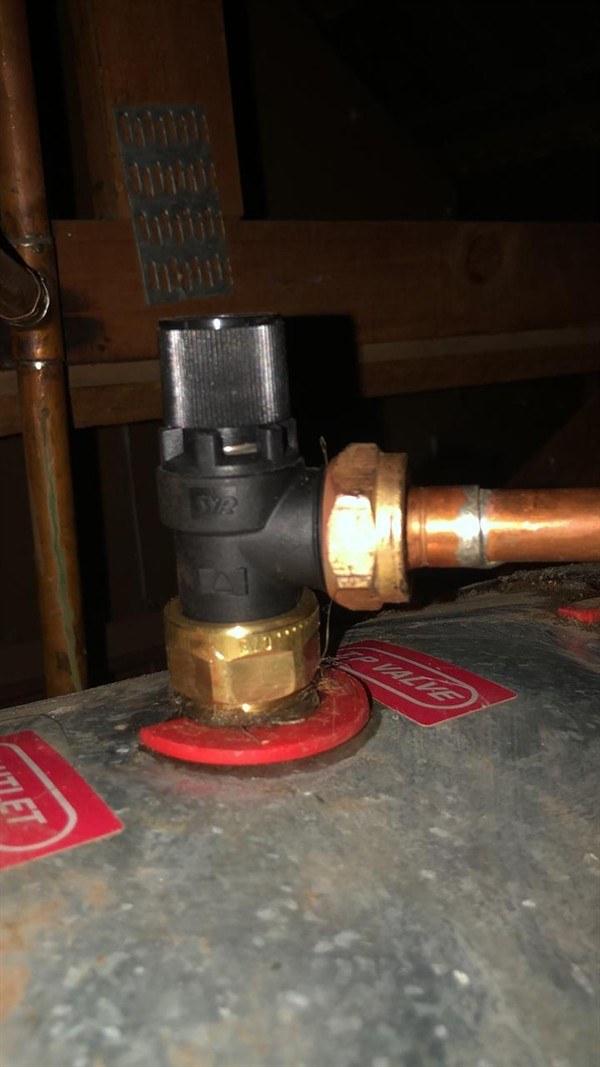
Focused service
Constant overflow discharge, valve dripping, hot-water pressure changes or water around the valve set can point to pressure valve trouble.
Helpful hint: note whether the overflow runs constantly or only after heating.
A failed reducing valve can cause high pressure, poor flow, noise, valve strain or repeated leaks at connected fittings.
Helpful hint: mention if several taps, geyser parts or flexible connectors have failed recently.
Discharge pipes show useful clues. A small release and a constant stream do not mean the same thing.
Helpful hint: take a short video of the discharge pattern if safe.
A pressure valve often works with other geyser components, so the nearby valve set must be understood before replacing one part.
Helpful hint: photograph the full valve arrangement, not only the dripping point.
Burst flexi hoses, noisy pipes, mixer cartridge wear and geyser discharge can all point to pressure problems.
Helpful hint: list any recent plumbing parts that failed on the same property.
Shared buildings need careful isolation, access and communication because pressure changes can affect more than one unit.
Helpful hint: confirm which stop valves control the affected area before work begins.
Before we arrive
Send photos of the geyser, valve set, pressure valve, overflow route or supply line where the problem appears.
Never block an overflow or discharge pipe. It is a safety route and can point to the fault.
Clear access to the geyser area, valve cupboard or supply point and keep away from wet electrical areas.
Visit process
Identify the valve role, pressure symptoms and connected system.
Isolate safely and check nearby valves, discharge routes and fittings.
Fit a suitable replacement valve or advise if surrounding components also need attention.
Restore water carefully and check discharge, pressure behaviour and visible leaks.
Related plumbing help
Useful when pressure valve symptoms appear with no hot water, tripping or geyser-side leaks.
Helpful when old valve layout or cylinder replacement needs wider planning.
Use this when high pressure has already damaged connected pipes or joints.
Relevant where pressure control and reverse-flow protection need to work together.
FAQ
A pressure valve helps control or release pressure so the connected plumbing system is not placed under unsafe strain.
Replacement may be needed when the valve leaks, discharges constantly, fails to regulate, is corroded or no longer suits the system.
Overflow discharge can come from expansion, pressure issues, faulty valves or incorrect setup. The pattern should be checked.
Yes. High pressure can strain geysers, mixers, flexible hoses, valves and pipe joints.
No. Blocking a discharge or overflow pipe is unsafe and can hide a pressure or safety problem.
No. Different valves have different jobs. The valve role should be identified before replacement.
Yes. A blocked, failed or unsuitable valve can restrict flow or create unstable pressure.
Sometimes, but worn, corroded or unsuitable valves can cause repeat discharge or leaks.
Yes. Geyser valve layout affects safety, pressure, discharge and future maintenance.
Photos of the valve, overflow pipe, geyser label and discharge pattern help identify likely parts and layout.
It can interact with geyser filling, pressure and discharge behaviour, so hot-water function should be checked after work.
Repeated flexi failures can point to high pressure, poor quality hoses, movement, heat or incorrect installation.
Yes. Shared systems need careful testing, isolation planning and communication with the authorised contact.
Water is restored carefully and the valve area, discharge route, connected fittings and pressure behaviour are watched.
It is urgent when water is actively leaking, overflowing heavily, affecting ceilings or creating risk near electrical points.
Service areas