Keep the old layout visible
Photos of the existing trap, waste and water feeds help plan the new connection.
Sink installation
A sink installation must align the bowl, mixer, trap, waste fall and cupboard access so the unit works without slow leaks.
Plumb A Nator helps with sink installation where a new sink, replacement bowl, mixer, basket strainer, trap or appliance waste connection must be fitted neatly. This service focuses on plumbing alignment, under-sink leak prevention, cabinet protection and drainage behaviour after the sink is installed.
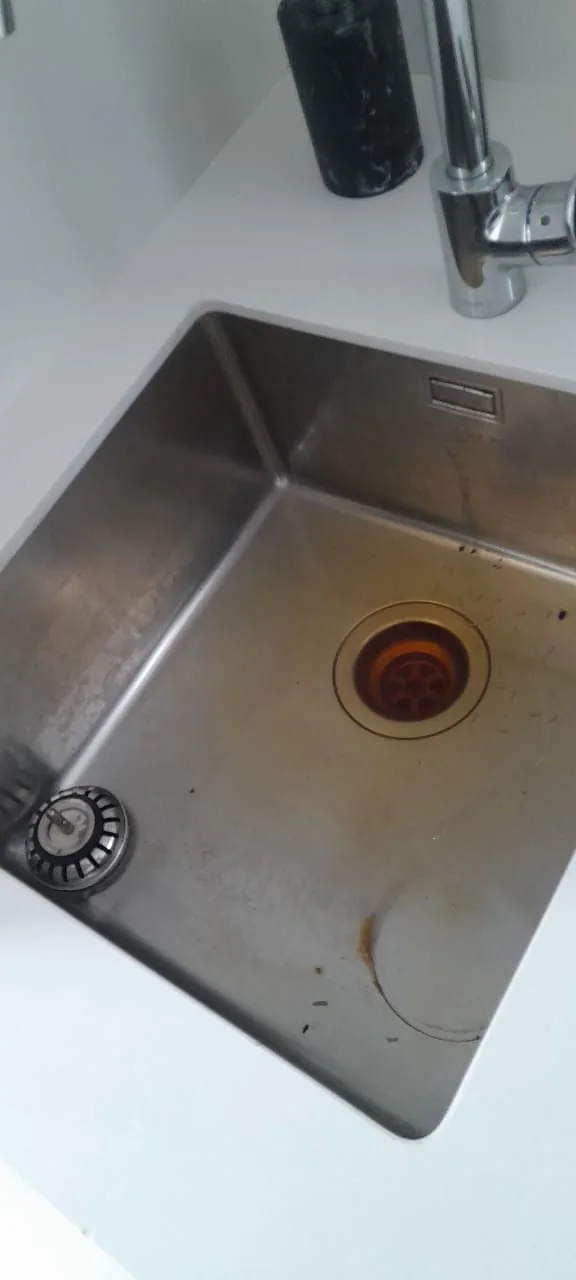
Sink fitting planning
The visible sink is only part of the installation. The waste outlet, trap, mixer tails, isolation valves, overflow and appliance spigots must fit inside the cupboard without strain or hidden leaks.
Useful details include sink size, countertop type, existing cut-out, trap position, mixer hole position, cupboard drawers, and nearby appliance waste hoses.
Before the team arrives
A sink can look correct from above but fail below if the waste, trap or mixer tails clash with shelves, drawers or appliance hoses. Do not enlarge counter or cabinet holes before the pipe route is checked.
Photos of the existing trap, waste and water feeds help plan the new connection.
Dishwasher or washing machine waste hoses may need a proper spigot and secure routing.
Do not cut a new counter opening until the sink template and plumbing route are confirmed.
Empty the cupboard so fittings, valves and traps can be reached and tested.
Focused service
This section focuses on the sink-specific parts that prevent hidden leaks after installation.
Bowls
Sink bowls need stable seating, correct waste alignment and enough underside space for the trap and mixer tails. A tight cupboard can make the plumbing more important than the visible bowl size.
Waste
Basket strainers, rubber seals and waste nuts must seal correctly so water does not track into the cupboard. Double bowls need careful joining and fall.
Traps
The trap must fit the available cupboard space and maintain a usable water seal without unnecessary strain on joints. Appliance spigots should be secure and accessible.
Mixers
Sink mixers need hot and cold feeds that are reachable and not twisted. Isolation valves reduce future disruption when a mixer tail or cartridge needs attention.
Sink Installation FAQ
These answers are written for practical plumbing decisions, safety and preparation before the team arrives.
The sink size, counter cut-out, mixer position, hot and cold feeds, waste outlet, trap clearance, appliance hoses and cupboard access should all be checked before fitting.
Sometimes, if the new bowl and waste outlet line up. If the outlet position changes, the trap or waste route may need adjustment.
Leaks can come from basket strainer seals, loose waste nuts, misaligned traps, cracked washers or joints pulled out of line.
Yes. Double bowls need correct joining, fall, trap layout and enough cupboard space for secure waste connections.
Yes. Filling and draining the bowl helps reveal leaks around basket wastes and trap joints before the job is considered complete.
Often yes, when the trap has a suitable spigot and the hose is routed securely to reduce backflow and smell risk.
Bad smells can come from poor trap layout, open spigots, loose waste joints, dry traps or food buildup in badly routed waste pipes.
Poor cut-outs, slow leaks and bad trap alignment can damage cupboard boards. Planned routing and testing reduce that risk.
Yes. Isolation valves make future mixer repairs and emergency shut-off much easier.
Yes, when the water feeds, waste route, wall support and appliance layout are suitable.
The counter may need adjustment or a different sink size. Plumbing should be checked before cutting to avoid clashes underneath.
Yes, if the sink bowl is sound and the waste opening can seal properly.
Slow drainage can come from poor trap fall, blocked waste pipe, incorrect joining or a trap that is strained by the new layout.
Photos of the sink, cabinet, underside plumbing, mixer point and waste route help plan parts and access.
It becomes urgent when the old sink or waste is leaking into cupboards, floors, walls or nearby electrical areas.