Factory and workshop plumbing
High-use staff areas, wash points, production-adjacent drains and hose points need reliable isolation and drainage.
Helpful hint: identify which areas can be shut down and which must stay operational during the visit.
Industrial plumbing
Industrial plumbing must protect uptime, safety, access and water control while working around people, equipment and operating schedules.
Plumb A Nator supports industrial and high-use commercial sites where plumbing faults can disrupt production, tenants, stock, hygiene areas or staff facilities. This service focuses on practical industrial plumbing support: isolating faults, protecting operations, planning access, checking high-use drains and keeping water systems serviceable.
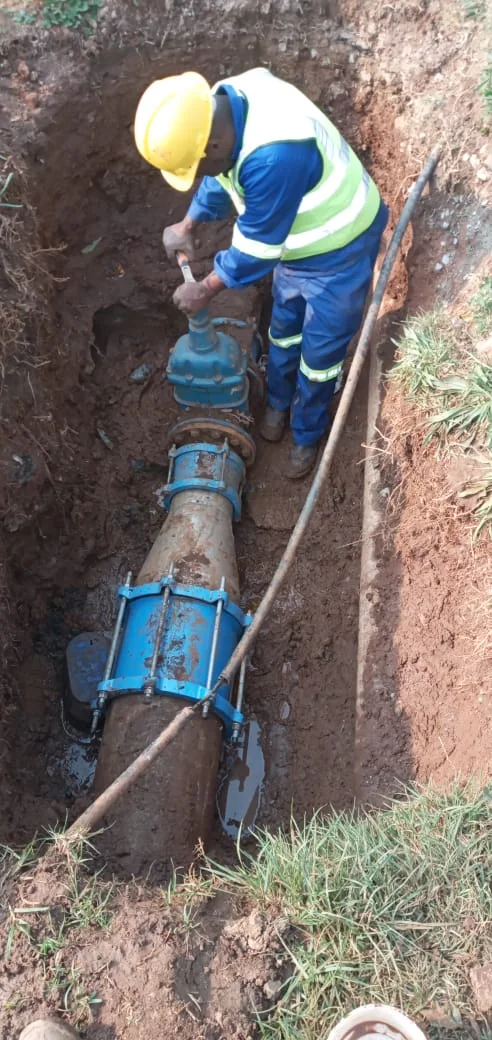
Focused service
High-use staff areas, wash points, production-adjacent drains and hose points need reliable isolation and drainage.
Helpful hint: identify which areas can be shut down and which must stay operational during the visit.
Shared buildings may involve long pipe routes, multiple tenants, common shut-off points and access restrictions.
Helpful hint: have the authorised site contact available before isolation or repair decisions are made.
Silt, grease, packaging debris and repeated floor wash-down can create industrial drain restrictions.
Helpful hint: explain what usually enters the drain route so the cleaning method matches the material.
Industrial sites need clear isolation planning so a local fault does not stop the whole building unnecessarily.
Helpful hint: mark known valves, meters and risers before the team arrives if your site has them.
Stored water, pumps and pressure-boosting equipment can affect flow, backflow risk and valve stress.
Helpful hint: note whether pressure problems happen during peak use, after pump cycling or across the whole site.
Some repairs are safer and cheaper when done during planned downtime rather than during an active emergency.
Helpful hint: group recurring faults before a shutdown so one access plan can cover several plumbing items.
Before we arrive
Make sure the person who can approve isolation, access and repair choices is reachable.
Explain which toilets, wash bays, drains, kitchens, tanks, pumps or production areas are affected.
Move stock, vehicles or equipment away from valves, drains, pipes and access panels where possible.
Visit process
Confirm site access, authorisation and safety conditions.
Identify the affected line, drain, valve, pump or fixture group.
Choose a repair or isolation route that suits operations and access.
Test the restored route and explain follow-up work if a shutdown is needed.
Related plumbing help
Useful for offices, retail sites, body corporates and tenant-facing plumbing support.
Important for industrial hoses, tanks, chemicals, pumps and cross-connection risk.
Useful for planned checks, recurring faults and property upkeep.
Helpful when high-use drains, gullies or waste routes restrict flow.
FAQ
Industrial plumbing supports factories, workshops, warehouses and high-use business sites where plumbing affects operations, safety and uptime.
Industrial plumbing often involves larger sites, multiple users, shared valves, operational downtime, safety rules and more complex access planning.
Sometimes, if the fault can be isolated safely and access is clear. Larger repairs may need planned downtime.
An authorised person who understands the building, can approve work and knows which areas may be isolated should be present or reachable.
Yes. High-use drains can be cleared, but the material causing the restriction should be considered before choosing the cleaning method.
Yes. Planned maintenance helps catch valve, drain, tank, pump and staff facility issues before they interrupt work.
It can if isolation is poorly planned or undocumented. Mapping valves and zones helps reduce unnecessary shutdowns.
Yes. Hoses, tanks, chemicals, wash bays and pumps can create cross-connection or reverse-flow concerns.
The affected area, authorised contact, site access rules, photos of valves or drains and operating constraints are helpful.
Yes. Warehouse plumbing may include staff facilities, water feeds, drains, hose points, valves, leaks and shared building systems.
Planned after-hours work may be useful where normal trading or production cannot be interrupted.
Yes. Pumps and tanks can affect pressure, flow, backflow risk and valve stress across the site.
Shared sites need communication with the responsible person, affected tenants and the person who can approve isolation or access.
Yes. Staff toilets, basins, showers, kitchens and wash areas are often part of industrial plumbing support.
It is urgent when water or waste is spreading, a key area cannot operate, hygiene facilities are unusable or a leak threatens stock, equipment or electrical areas.
Service areas