Clear the appliance bay
Remove stored items from the cupboard and leave the appliance space open so the inlet valve, trap and hose route can be inspected.
Appliance plumbing connections
Appliance plumbing should protect floors, cupboards and walls by matching the water feed, waste route and hose layout to the appliance.
Plumb A Nator helps with appliance water connections where dishwashers, washing machines, fridge water lines and similar appliances need reliable inlet and waste routing. This service focuses on plumbing connections, leak prevention, hose strain, shut-off access and drainage behaviour rather than appliance electronics.
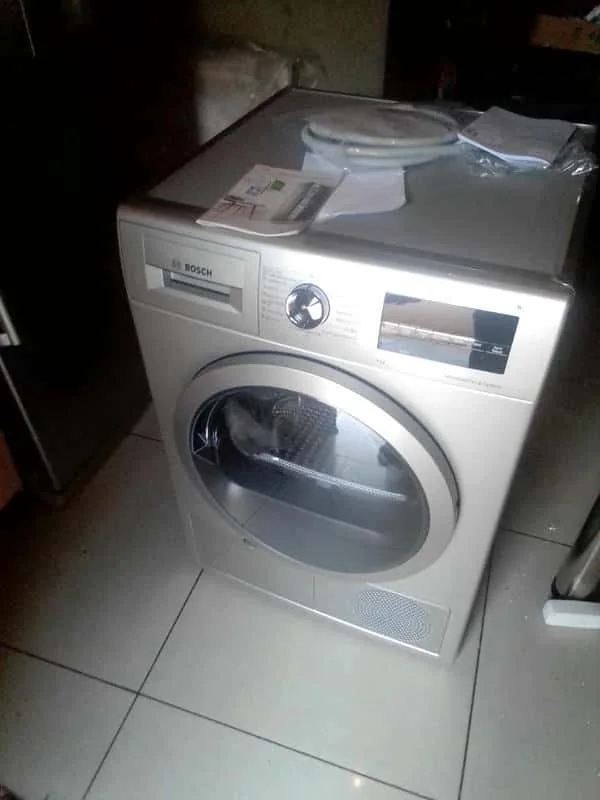
Appliance connection planning
A dishwasher, washing machine or fridge water line can leak if the inlet valve, hose route, trap connection or appliance position is wrong. The connection should be easy to isolate, free from hose strain and routed so water does not damage cupboards or flooring.
Useful details include appliance type, brand if relevant, kitchen or laundry location, distance to the sink trap, existing stop tap, cabinet access and whether the appliance has already been delivered.
This appliance connection service covers the shared plumbing points used by water-fed appliances: inlet valves, shut-off access, waste hose routing, trap spigots and safe drainage behaviour. Dishwasher-only details should stay on the dedicated dishwasher connection page so Google can separate the appliance hub from the single-appliance service route.
Before the team arrives
Appliance hoses often leak because they are crushed, stretched or connected to unsuitable outlets. Leaving the space open helps the water feed and waste route be checked properly.
Remove stored items from the cupboard and leave the appliance space open so the inlet valve, trap and hose route can be inspected.
Do not push the appliance hard against the wall before the hose route is checked. Kinked hoses can leak or drain poorly.
Locate the nearest stop tap or appliance valve if one exists. It should remain reachable after the appliance is installed.
Temporary hose clamps or loose adapters may leak under pressure. The final connection should be planned for normal daily use.
How the visit is handled
The visit checks whether the appliance has a suitable water supply, shut-off valve, waste outlet, high loop where needed and enough space behind the appliance to prevent hose strain.
The water feed, stop tap, waste spigot, trap position and cabinet route are checked before connecting the appliance.
Hoses are positioned to avoid sharp bends, crushing, stretching or contact points that can become leaks.
Waste hoses are connected so discharge can flow away without slipping out, siphoning poorly or causing smell through the trap.
The water feed, waste hose and nearby cabinet base are watched during filling and draining where practical.
Appliance plumbing services
The sections below separate appliance connection situations so each one gets useful signs, setup hints and practical plumbing checks.
Dishwasher plumbing needs a safe water feed, reachable stop tap, waste spigot and hose route that does not crush behind the unit.
What to look for: Existing under-sink valve, trap spigot, enough cabinet access, hose length, water marks in the cupboard or leaks after a wash cycle.
Helpful hint: A dishwasher waste hose should not be left loose in a cupboard because movement and discharge pressure can cause leaks.
Washing machines need stable inlet valves and waste routing that can handle discharge without jumping out or flooding the laundry area.
What to look for: Loose standpipes, leaking taps, cracked inlet hoses, water marks behind the machine or movement during spin cycles.
Helpful hint: Keep the machine pulled forward until the hose route is checked so the inlet and waste are not crushed.
Fridge water dispensers and ice makers need small water feeds that can be isolated and routed safely through cupboards or behind units.
What to look for: Thin feed lines, saddle-type fittings, leaks behind the fridge, low water flow or moisture near skirting.
Helpful hint: A fridge water line should have a clear shut-off point so the appliance can be isolated without shutting down the full kitchen.
Trap spigots allow appliance waste hoses to connect near a sink, but the blanking cap, clamp and hose route must be handled correctly.
What to look for: Unused spigot points, missing caps, smell from the trap, leaking clamps or hose outlets that point upward or sideways.
Helpful hint: An unopened or badly cut spigot can stop drainage and send water back toward the appliance.
Small appliance valves can drip at threads, handles, compression fittings or hose connections when worn or poorly supported.
What to look for: Drips under the sink, green marks, wet cabinet bases, stiff valve handles or leaks that only appear when the appliance fills.
Helpful hint: Do not leave a leaking appliance valve hidden behind stored items because cabinet damage can develop quietly.
Moving an appliance may require new water and waste routes rather than stretching old hoses across cupboards or floors.
What to look for: A new appliance position far from the sink, no shut-off valve, no nearby trap, long hose runs or poor cabinet access.
Helpful hint: Plan the plumbing route before the appliance is boxed in or the kitchen units are fixed.
Common causes
A loose valve, poor trap spigot, crushed hose or unsupported waste line can create leaks that look like an appliance fault.
Appliances pushed back too tightly can kink inlet or waste hoses until flow is restricted or seals fail.
Hidden valves make it difficult to isolate a leak quickly when a hose or fitting fails.
Discharge movement can loosen a waste hose if it is not properly routed and secured.
Small valves can seize, drip or leak at threads after years of limited use.
Prevention and after-care
Small connection checks can prevent slow leaks, bad smells and sudden appliance-area floods.
Do not bury appliance valves behind permanent boards or stored items.
Any time an appliance is moved, recheck that hoses were not twisted or crushed.
After connection, watch a fill and drain cycle to catch leaks early.
Long temporary hose extensions are more likely to kink, pull loose or leak.
Appliance Plumbing Connections service areas
Mention appliance type, existing water point, waste route and whether the appliance is already on site.
Appliance Plumbing Connections FAQ
These answers explain inlet valves, waste hoses, trap spigots and leak-prevention details for water-fed appliances.
Dishwashers, washing machines, fridge water dispensers, ice makers and some appliance setups need water feeds, shut-off valves and safe waste or drainage routes.
Yes, when there is a suitable water feed, accessible stop tap, trap spigot and space for hoses to run without crushing or kinking.
Leaks often come from loose hose washers, worn inlet valves, bad spigot connections, crushed hoses or waste hoses that move during discharge.
A trap spigot is a small outlet on a sink trap where an appliance waste hose can connect. It must be opened, fitted and clamped correctly to drain properly.
Many dishwasher setups need the waste hose routed to reduce backflow and smell risk. The exact layout depends on the appliance instructions and sink-trap position.
Yes. If the waste hose jumps out, sits too low, blocks or discharges into an unsuitable pipe, water can spill quickly during a drain cycle.
Yes. A reachable shut-off valve lets you isolate the appliance during leaks, servicing or replacement without shutting off the full property.
Often yes, depending on nearby supply pipe access, cabinet layout, wall access and where the waste route will connect.
Yes. Small fridge lines can leak quietly behind appliances and damage skirting, cupboards or floors if they are not routed and isolated properly.
Check the appliance location, whether a stop tap exists, where the waste hose will drain, and whether the appliance can be moved for access.
Sometimes, but a stiff, leaking or corroded valve is better replaced before connecting a new appliance that will be used daily.
Smell can come from a poor trap connection, open spigot, bad hose route or trap seal issue. The waste layout should be checked.
Yes. The inlet and waste routes should be watched during filling and draining where possible to check for seepage and movement.
Yes. The appliance should be isolated, hoses removed carefully, valves checked and open waste points capped where needed.
It is urgent when water is actively leaking behind the appliance, under a cabinet, through flooring or near electrical points.
Need appliance plumbing connection?
Share the appliance type, connection location, existing valves and whether water or waste is already leaking.