WhatsAppCall

24/7 Emergency Plumbing • Plumbing, geysers & solar geyser solutions

Septic tank plumbing

Septic tank plumbing for slow drains, foul smells, gurgling fixtures and line faults.

Septic plumbing needs careful separation between household drains, tank condition, inlet pipes, outlet routes and soakaway symptoms.

Plumb A Nator helps with septic tank plumbing concerns where toilets, basins, showers, kitchen lines or outside drains show slow flow, smell, gurgling or backup symptoms linked to a septic system. This service focuses on plumbing-side checks and practical warning signs rather than treating every problem as a simple blockage.

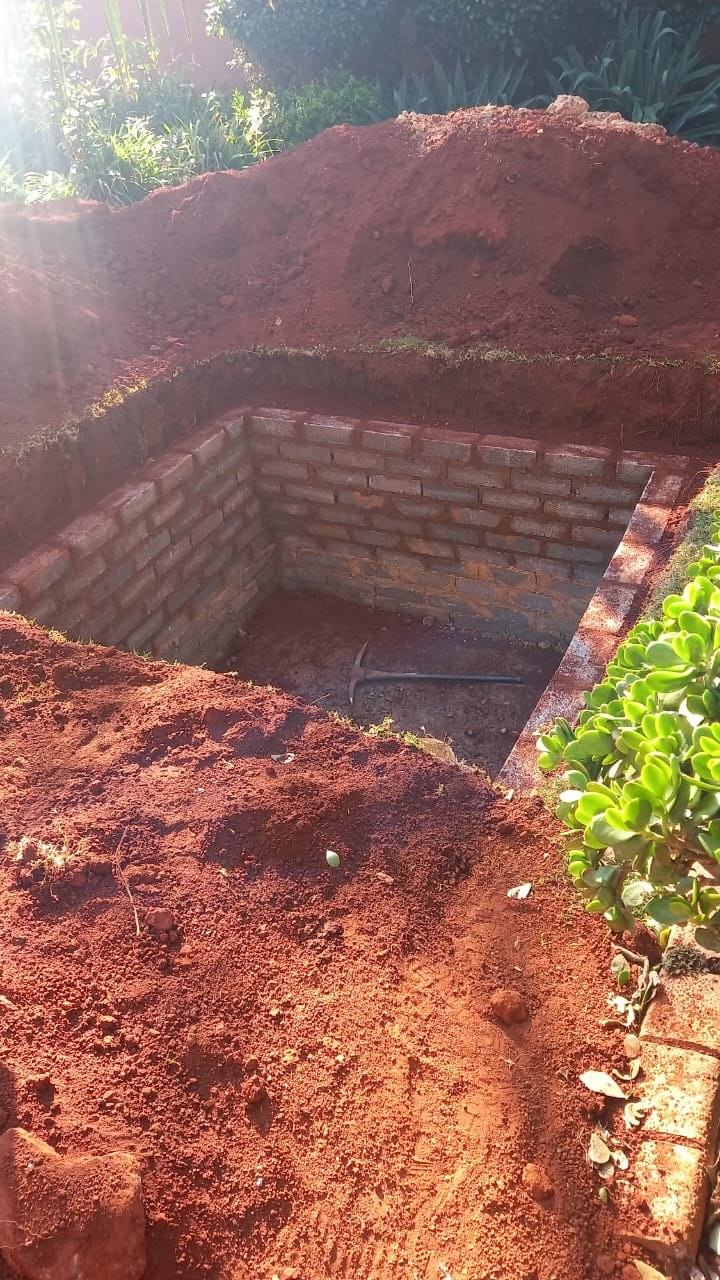
Septic tank plumbing image showing a newly built brick septic tank excavation during installation work by Plumb A Nator.
Septic tank plumbing image showing the brick septic tank excavation during installation work.
Septic plumbing help line067 139 9980Tell us the symptom, the affected fixture, the access point and whether the issue is new or repeating.
Request Septic Plumbing Help
Slow DrainsFoul SmellsGurglingInlet Lines

Focused service

Septic Tank Plumbing service

Specific checks and practical hints for this plumbing service.

Slow fixtures on septic systems

One slow fixture can be local, but several slow fixtures may point to the inlet line, tank level, outlet route or soakaway conditions.

Note which fixtures slow first and whether the problem changes after heavy water use.

Foul smells near drains

Smell at a toilet, shower, basin, gully or tank area can point to trap issues, venting, poor flow or septic-side pressure.

Do not cover inspection points before the smell pattern is checked.

Gurgling and bubbling

Gurgling when another fixture drains can show air movement caused by restriction, poor venting or septic-side resistance.

Record a short video of the sound if it happens during flushing or draining.

Tank inlet pipe concerns

A blocked or damaged inlet line can push waste back into the home before the tank itself is the main problem.

Keep the closest inspection eye visible for safer checking.

Outlet and soakaway symptoms

Wet ground, odour, repeat slow drainage or surface water near the system can point beyond the household pipe route.

Avoid adding extra water when the ground is already wet around the tank system.

Repeated septic backups

Repeat backups usually need a route-based check instead of only clearing the first visible restriction.

Mention any recent pump-out, heavy rain or landscaping work near the system.

Before we arrive

Before the septic tank plumbing team arrives

Small preparation steps help the visit move faster and reduce avoidable damage.

Limit water use

Pause laundry, baths, long showers and dishwasher cycles if drains are backing up or gurgling.

Keep access visible

Do not cover inspection eyes, tank lids or outside drain points before the visit.

Note recent changes

Mention heavy rain, pump-outs, construction, tree roots or recent repeated blockages.

Visit process

How the septic tank plumbing visit is handled

The work is planned around the symptom, access and safest repair route.
01

The pattern across toilets, showers, basins and outside points helps separate local blockage from septic route concerns.

02

Inspection eyes, gullies and visible pipe routes are reviewed before disturbing the system.

03

The issue is narrowed to fixture, branch line, inlet pipe, tank area, outlet route or soakaway symptoms.

04

Clearing, repair planning, further septic service or pipe investigation is recommended according to the evidence.

Related plumbing help

Related service routes for septic-connected drain symptoms

Use these service routes when the symptom may involve a blockage, sewer line, pipe fault or hidden water route.

FAQ

Septic Tank Plumbing questions

Clear answers for common questions before booking the service.
How do I know if a septic plumbing problem is urgent?

It is urgent when toilets back up, wastewater surfaces, drains overflow or smells enter living areas.

Why are several drains slow at once?

Several slow drains can point to a main septic-connected line, tank level, outlet route or soakaway issue.

Can a toilet blockage be linked to a septic tank?

Yes. A toilet can back up because of a local trap issue, branch line restriction, inlet pipe problem or tank-side resistance.

Why does my shower gurgle when the toilet flushes?

Gurgling can show air movement through the waste system caused by restriction or septic-side flow resistance.

Should I use chemicals in a septic-connected drain?

Avoid harsh chemicals because septic systems rely on biological activity and plumbing components may be affected.

What information helps before a septic plumbing visit?

Fixture symptoms, smell locations, recent rain, pump-out dates and photos of inspection points are useful.

Can tree roots affect septic plumbing?

Yes. Roots can enter pipe joints, slow flow and cause repeat backups before or near the tank.

Why does the yard smell near the septic area?

Odour can come from tank, vent, outlet, soakaway or pipe-route issues and should be checked carefully.

Can heavy rain affect septic drainage?

Yes. Saturated ground can reduce soakaway performance and make existing restrictions more obvious.

Is every septic smell a tank problem?

No. Smells can also come from traps, vents, open fittings, blocked lines or dry fixtures.

Can septic inlet pipes be repaired?

Yes, if the damaged or blocked section can be found and accessed safely.

What is an inspection eye?

An inspection eye is an access point used to inspect or clear certain drain routes.

Should I keep using water when drains back up?

No. Reduce water use until the system is checked so the backup does not worsen.

Can septic plumbing affect kitchen drains?

Yes. Kitchen waste lines can be part of the route and may show slow flow before a wider backup appears.

How is a septic plumbing issue checked?

The symptom pattern, access points, inspection routes and visible system clues are used to narrow the likely problem area.

Service areas

Septic plumbing support across Gauteng and selected service areas.

Randburg, Sandton, Centurion, Pretoria, Roodepoort, Benoni, Boksburg, Germiston, Midrand, Alberton, Johannesburg and Cape Town.