Mixer position and pipe routes
The mixer should suit the shower layout, user height, pipe access and future maintenance needs.
Confirm mixer position before waterproofing and tiling close the wall.
Shower installation
A shower installation must align the mixer, head, waste outlet, pressure conditions and access before finishes are closed.
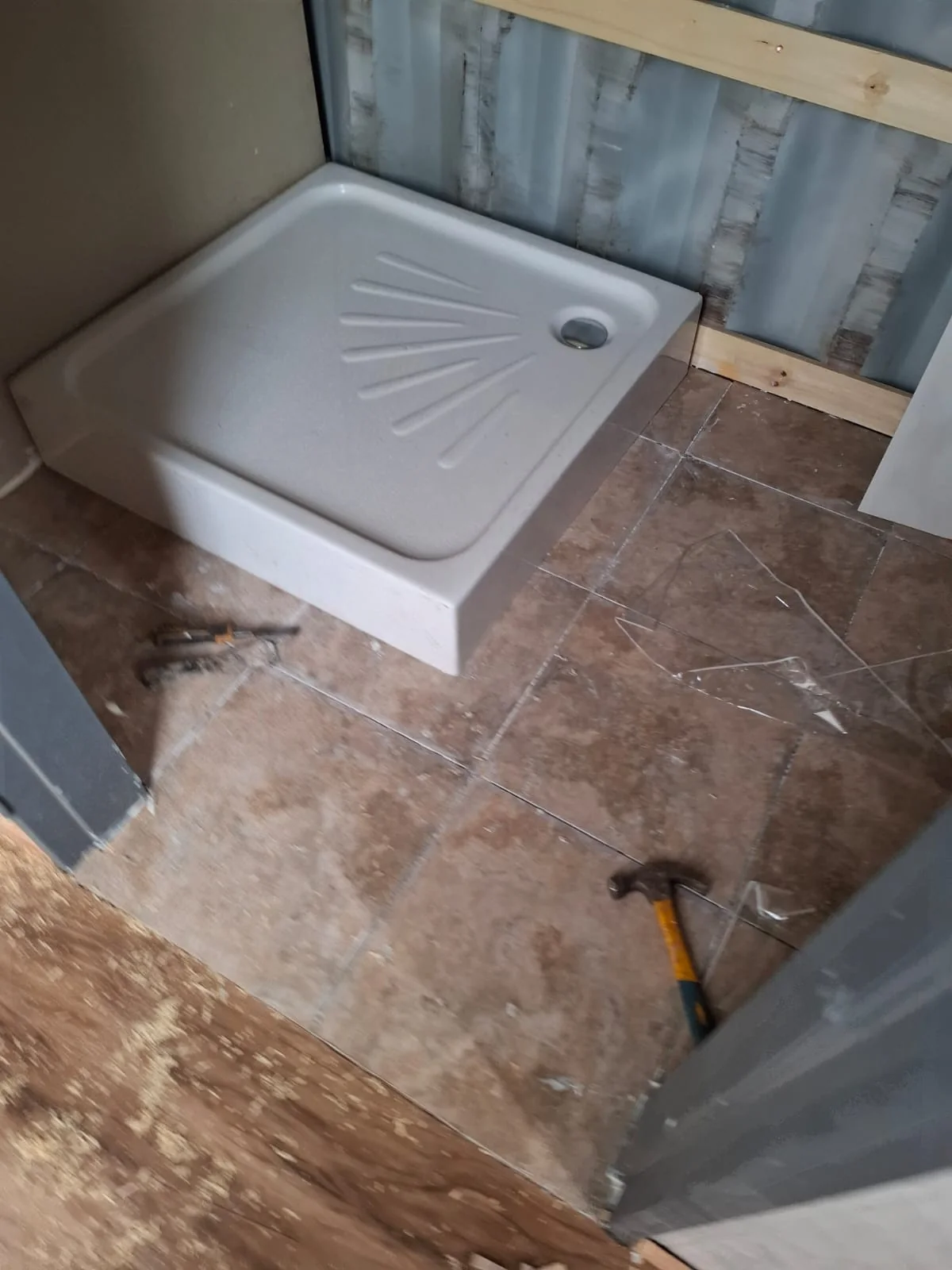
Plumb A Nator helps with shower installation plumbing where a new shower, renovation or replacement needs hot and cold feeds, mixer points, shower head positioning, trap and waste routing, drainage fall and practical access planning. This service focuses on the plumbing side of a shower installation rather than decorative finishes.
Focused service
The mixer should suit the shower layout, user height, pipe access and future maintenance needs.
Confirm mixer position before waterproofing and tiling close the wall.
Head height and arm position affect our technician, splash control and pipe strain inside the wall.
Check screen, door and ceiling clearance before finalizing the outlet.
The waste must drain quickly, hold a proper trap seal and remain serviceable where possible.
Do not pour screed or tile over unresolved drainage problems.
A new shower can disappoint if the geyser, pressure control or pipe route cannot support the expected flow.
Check flow at nearby taps before deciding on final fittings.
Moving a shower often needs careful rerouting of feeds and waste without trapping future leaks behind finishes.
Photograph the hidden pipework before the wall is closed.
The shower should be run and checked for supply leaks, waste flow and visible moisture before final sign-off.
Test with normal water flow, not only a quick splash.
Before we arrive
Photos or drawings showing mixer, head, screen and waste positions help plan the pipe routes.
Where possible, keep pipe access open until the mixer and waste are tested.
Mixer type, shower head style and waste outlet choice affect the plumbing layout.
Visit process
Fixture positions, pipe routes, wall access and drainage direction are checked first.
Hot and cold feeds, mixer placement, head point and waste outlet are aligned with the bathroom layout.
Pipework, fittings, waste connection and trap planning are completed according to access conditions.
Supply and waste routes are tested before finishes hide the installation.
Related plumbing help
Useful when an existing shower is leaking, dripping or draining poorly.
Helpful when the shower is part of a wider bathroom project.
Relevant when fixture positions or pipe routes are being changed.
Useful when mixer selection and connection planning are part of the job.
FAQ
A shower needs suitable hot and cold feeds, a mixer point, shower head outlet, waste outlet, trap and drainage route.
Often yes, depending on access, pipe routes, wall structure and whether the waste can be given suitable fall.
Poor waste positioning can cause slow drainage, trap problems, smells and difficult future repairs.
Yes. Pressure and hot-water performance should be understood before choosing fittings.
Yes, when wall depth, access, pipe routes and future serviceability are suitable.
Leaks can happen if pipe joints, mixer bodies, waste fittings or trap routes are stressed or untested.
Share photos of the shower area, chosen fittings, wall access and existing pipe or waste locations.
Yes. Testing before closing the wall helps avoid hidden leaks after finishes are installed.
Often, but the water feeds, waste route, wall protection and drainage fall must be checked.
Plumbing handles supply and waste routes; waterproofing protects surfaces from normal shower water exposure.
Sometimes, if the pipe size, route, fall and trap arrangement are suitable.
Trap access helps deal with future smells, blockages and leaks without unnecessary damage.
Often yes, but flow, pressure, geyser supply and ceiling or wall support should be checked.
It becomes urgent when a renovation is delayed by pipe positioning, leaks or missing waste routes.
The mixer, head and waste are run while visible plumbing and nearby surfaces are checked for leaks and drainage.
Service areas