Stop using the blocked toilet
If the pan fills, bubbles or drains slowly, do not flush again to “test it”. Extra flushing can cause overflow and can push waste toward the bathroom floor or nearby outlets.
Blocked toilet clearing
When a toilet does not flush away properly, the key is to find out whether the blockage is inside the pan, at the connector, in the branch line or deeper in the drain route.
Plumb A Nator helps with blocked toilets in homes, flats, complexes and business premises where the pan fills, bubbles, drains slowly, smells, overflows or blocks repeatedly. The focus is practical toilet clearing: stop extra flushing, identify whether other fixtures are affected, choose the safest clearing route and check for signs that the fault is more than a simple pan blockage.
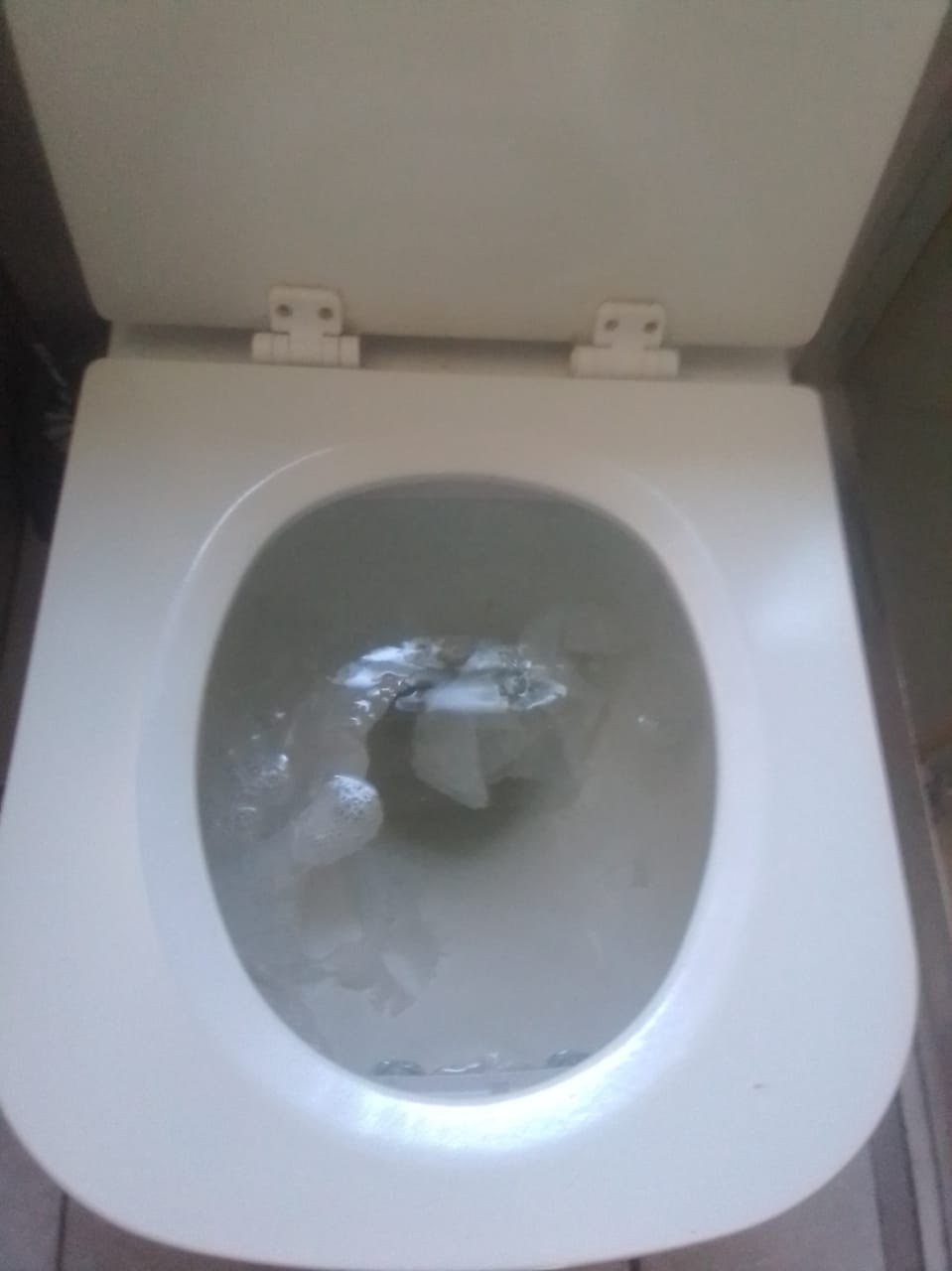
Toilet blockage diagnosis
A soft pan blockage, hard object in the toilet trap, loose pan connector, blocked bathroom branch line and main drain restriction all behave differently. The correct clearing route depends on the water level, flush behaviour, nearby fixtures, smell, overflow risk and whether the same toilet has blocked before.
Useful toilet details include whether the pan fills or drains slowly, whether the toilet bubbles, whether a shower or gully backs up, whether the blockage followed wipes or foreign objects, and whether more than one toilet is affected.
Before the toilet team arrives
Repeated flushing can push wastewater closer to the rim or move the blockage deeper into the branch line. The most useful step is to stop adding water, keep the toilet unused and leave the pan, base, nearby floor and any outside gully visible for checking.
If the pan fills, bubbles or drains slowly, do not flush again to “test it”. Extra flushing can cause overflow and can push waste toward the bathroom floor or nearby outlets.
Notice whether the shower, bath, basin or outside gully reacts when the toilet is flushed. More than one affected fixture usually points to a branch-line or main-drain problem.
Move mats, bins, toilet brushes and loose items away from the toilet base so the pan, connector and surrounding floor can be checked without obstruction.
Strong chemicals can sit inside the toilet trap and splash when the pan is plunged, augered or opened. Mechanical clearing is safer when the toilet is already holding water.
How the blocked toilet visit is handled
The visit is guided by the toilet pan, pan connector, branch line, nearby fixtures and outside access points. That keeps the work focused on clearing the blockage without treating every toilet backup like a general drain call.
The first check is whether water rises immediately, drains slowly, bubbles, pulls low, smells, or backs up through another fixture. The pattern helps locate the likely restriction.
The blockage may be reached through the pan, a toilet auger route, the connector, a nearby inspection opening or a downstream access point depending on where the obstruction sits.
Soft paper blockages, wipes, foreign objects, scale, roots and deeper branch-line restrictions need different clearing methods. The aim is to restore flow without cracking the pan or damaging the connector.
After clearing, the toilet is flushed and observed for water level, drainage speed, bubbling, smell and leaks around the base so repeat-risk symptoms can be identified.
Blocked toilet clearing service
Blocked toilets behave differently depending on where the restriction sits. The sections below separate common toilet blockage situations so each one gets clear signs, practical hints and the likely clearing approach.
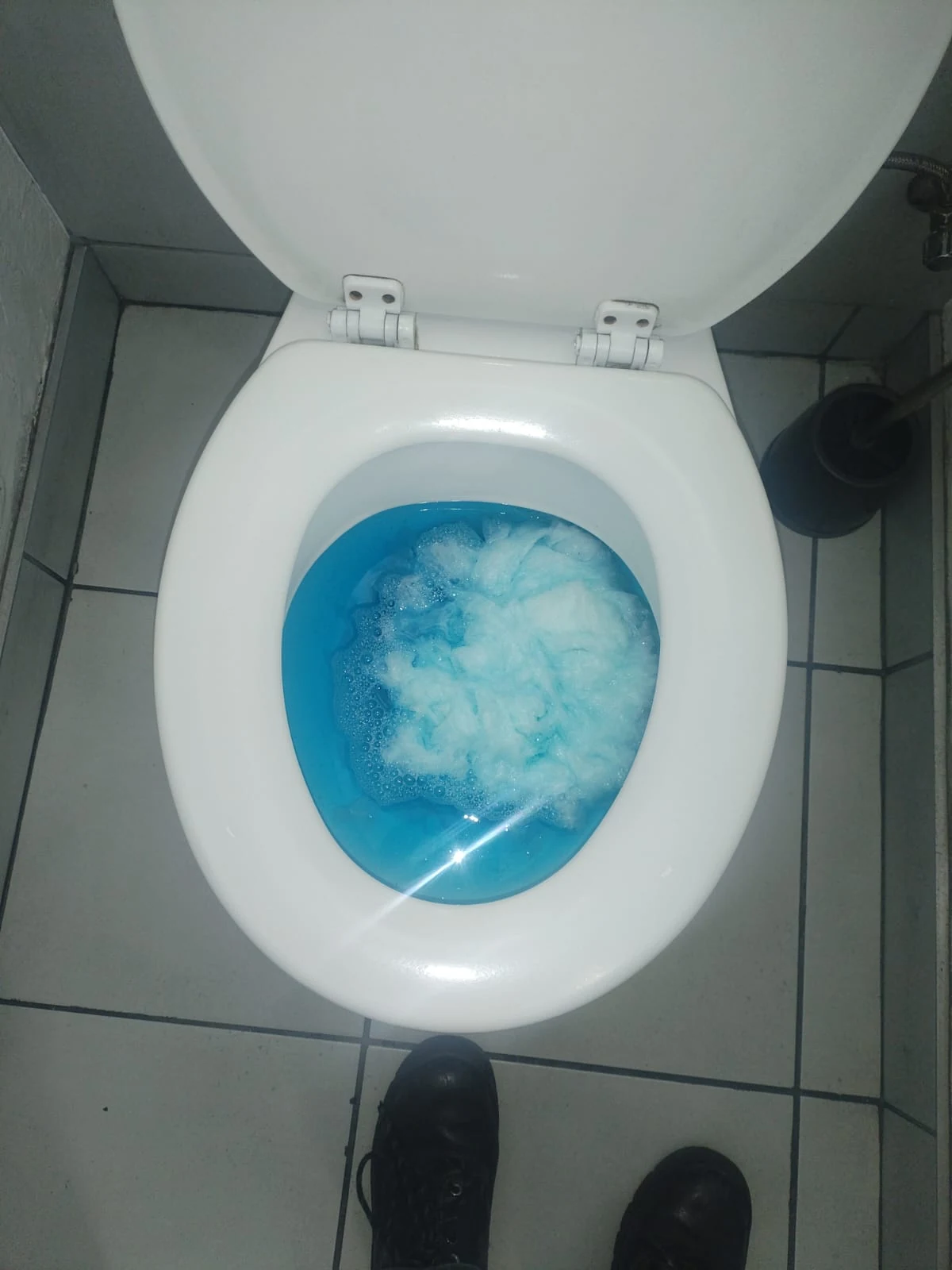
A single blocked toilet may be caused by toilet paper build-up, a soft obstruction, a hard object, low flush volume or a restriction inside the pan trap or connector.
What to look for: Water rising in one pan only, slow drop after flushing, gurgling inside the pan, or waste returning without other drains backing up.
Helpful hint: Stop flushing once the water level rises. One more flush can turn a contained blockage into an overflow.
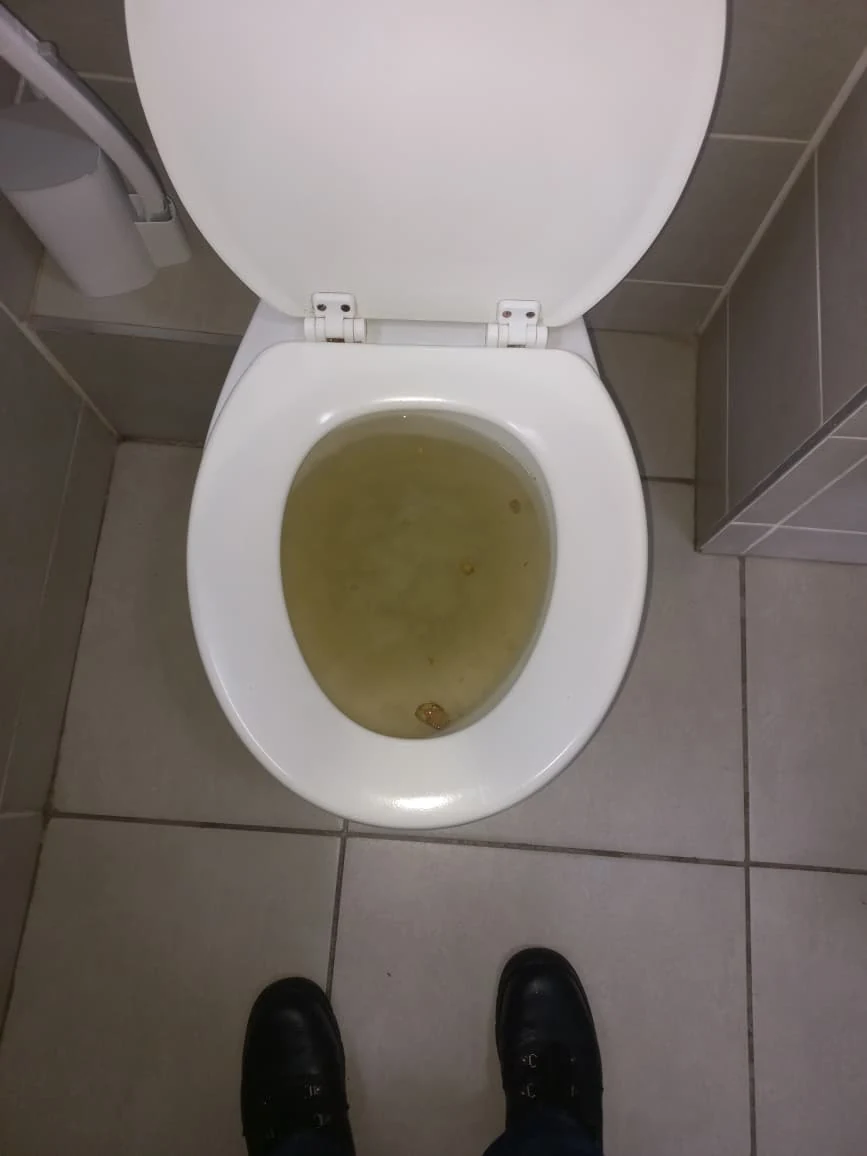
An overflowing toilet needs quick control because wastewater can spread into flooring, skirting, cupboards, passages and nearby rooms if the pan continues filling.
What to look for: Water near the rim, wastewater on the floor, pan level rising after flushing, or overflow that returns when another bathroom fixture drains.
Helpful hint: Keep the toilet unused and clear the floor around the pan so the base, connector and overflow path can be checked safely.
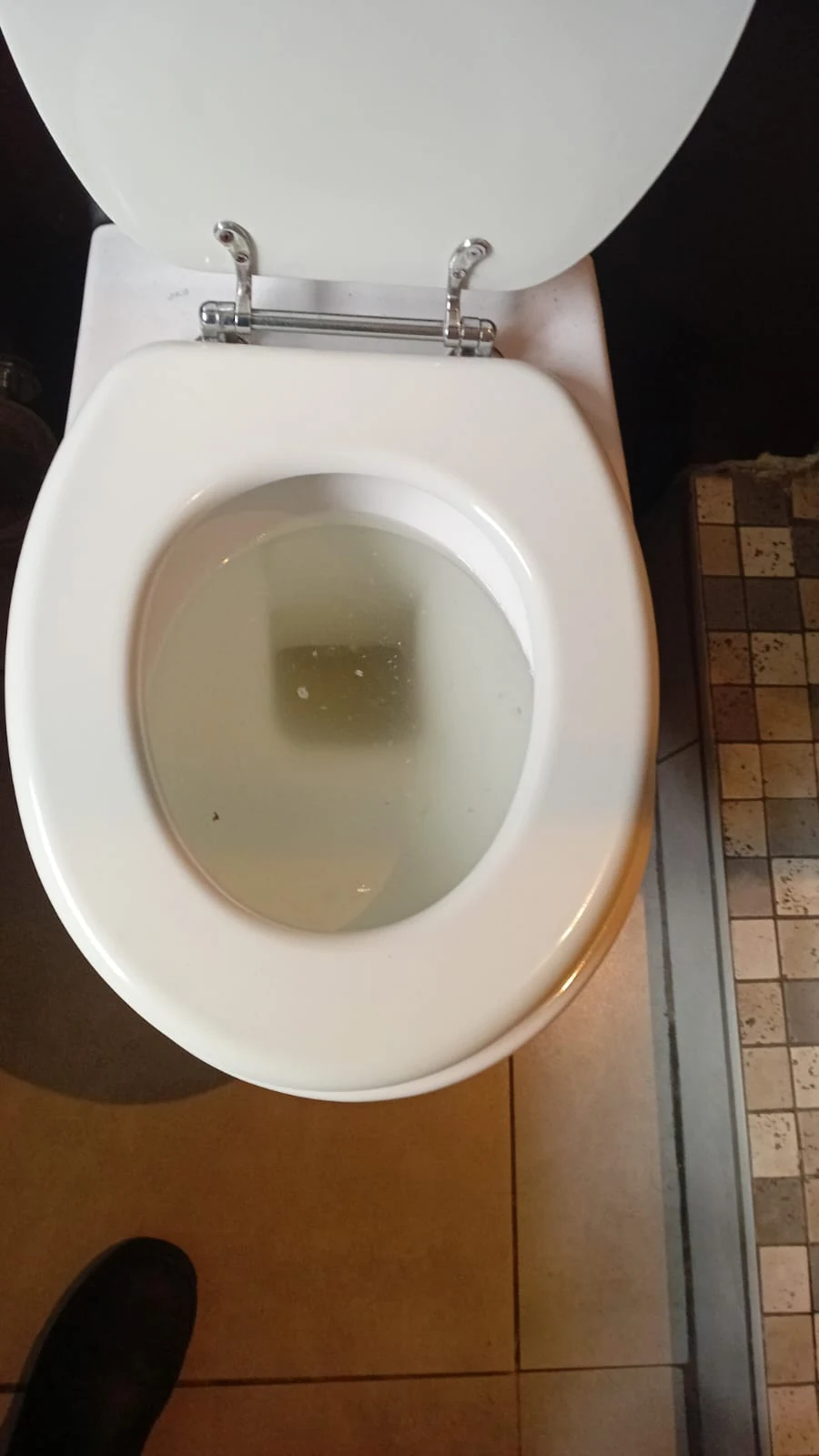
Repeat toilet blockages often point to a deeper issue than a once-off toilet paper obstruction. The cause may sit in the connector, branch line, drain fall or main waste route.
What to look for: Regular plunging, the same toilet blocking after a few days, bubbling, sewer smell, weak flush performance or outside gully reactions.
Helpful hint: Keep track of how often it blocks and whether it happens after heavy use, rain, washing-machine discharge or other bathroom fixtures draining.
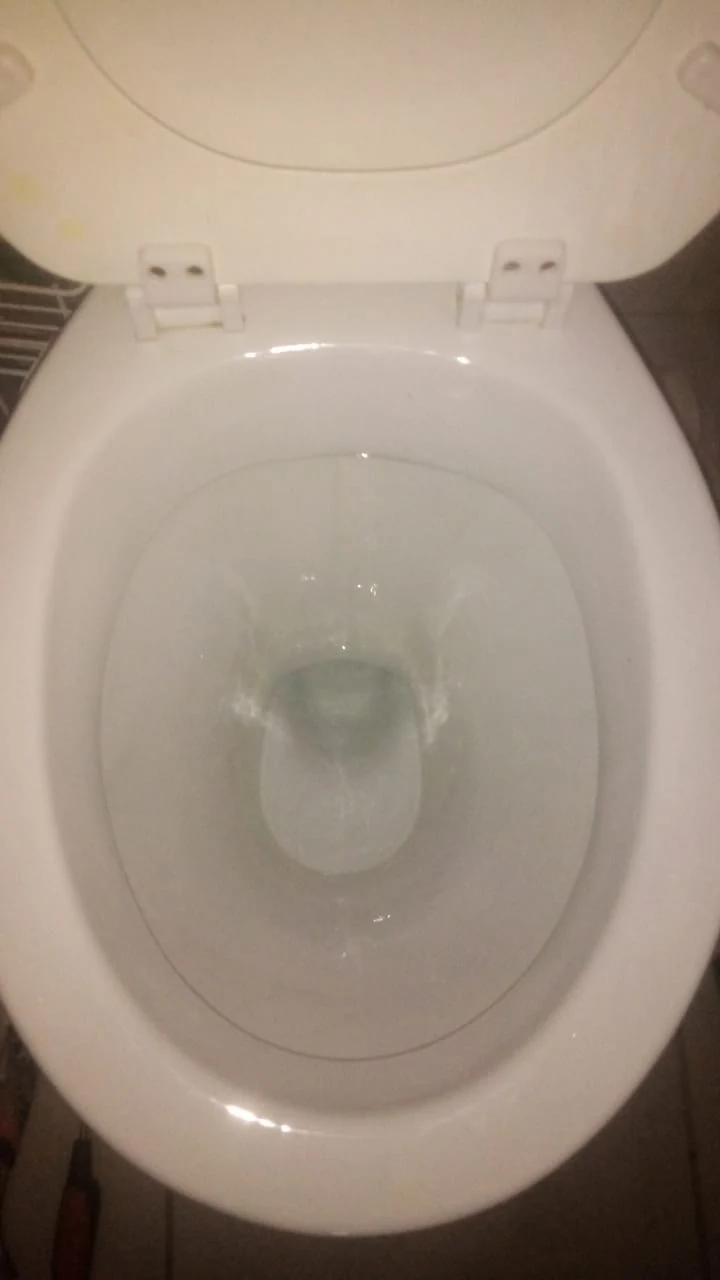
Toys, deodoriser cages, sanitary items, wipes, cloth and plastic pieces can lodge inside the toilet trap or connector and resist normal flushing or plunging.
What to look for: Sudden blockage after an item goes missing, incomplete flush, scratching sounds, water rising fast or a toilet that clears briefly and blocks again.
Helpful hint: Do not keep forcing the flush if a hard object may be inside the pan. It may need retrieval rather than pushing further into the waste line.
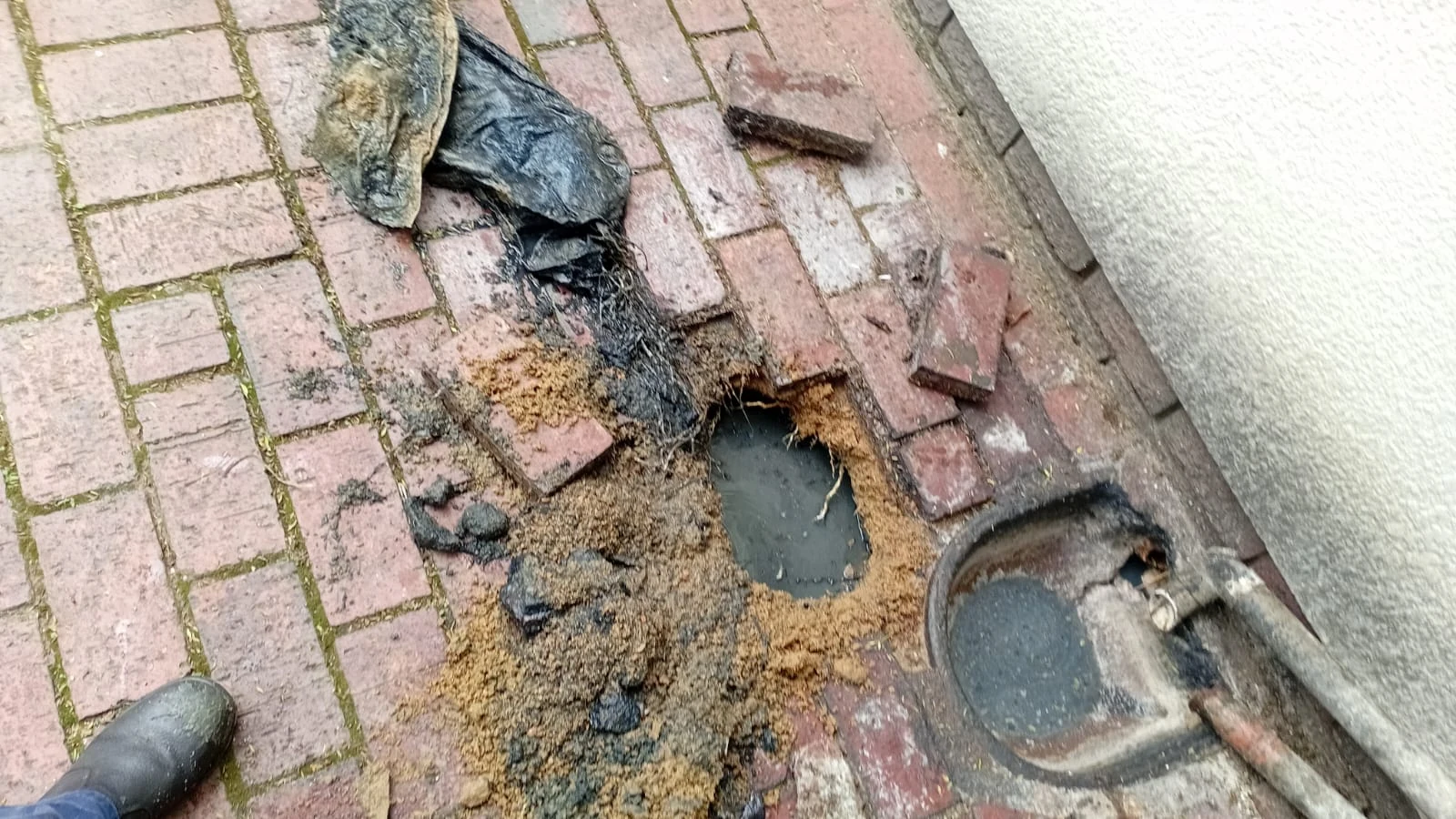
A toilet branch-line blockage can affect the toilet together with nearby bathroom outlets. It may sit beyond the pan connector where several fixtures share a waste route.
What to look for: Toilet bubbling, shower gurgling, basin slow drainage, bath water movement, sewer smell or an outside gully rising after flushing.
Helpful hint: Mention every affected fixture, not only the toilet. The shared pattern helps decide whether access should be through the pan or a downstream point.
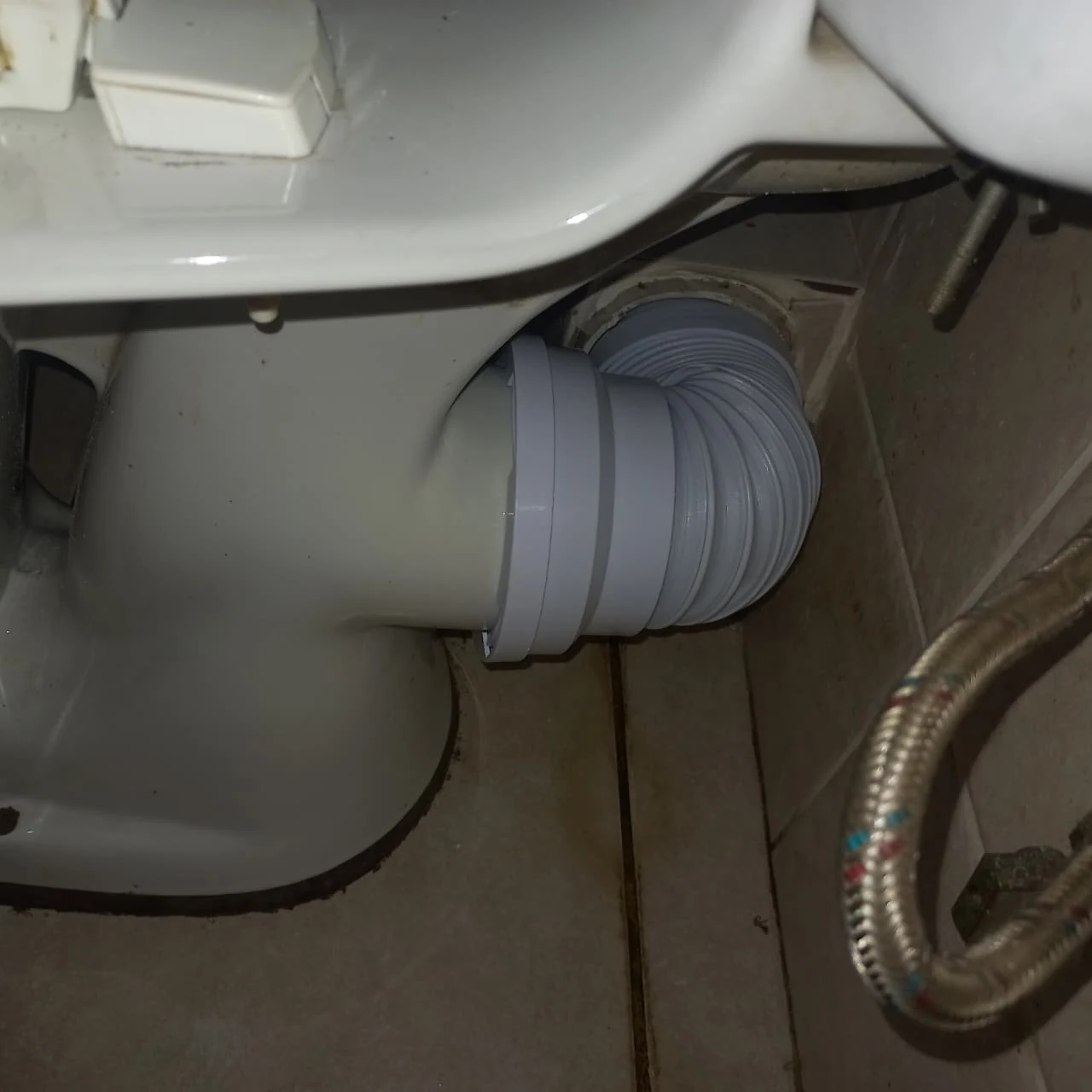
Not every blocked-toilet symptom is only a blockage. A loose connector, cracked seal or poor pan connection can create smells, leaks around the base or weak waste movement.
What to look for: Sewer smell near the toilet, dampness behind the pan, water at the base, loose pan movement or smells that return after clearing.
Helpful hint: Do not ignore smells after the toilet starts flushing again. The blockage may be gone while the connector or seal still needs attention.
Toilet clearing process
A soft paper blockage, hard object in the trap, pan connector restriction, bathroom branch blockage and main drain restriction all need different clearing decisions. The aim is to restore toilet flow and identify signs that the problem may return.
The toilet, nearby fixtures, outside gullies and flush pattern are checked to see whether the blockage is local to one pan or part of a wider waste-line issue.
The clearing point may be the pan, connector, inspection opening, branch line or outside access depending on the blockage depth and risk of mess or damage.
Wipes, foreign objects, weak flush, loose connectors, poor fall, roots or deeper restrictions are considered when the same toilet has blocked before.
The toilet is tested for flush strength, water level, drainage speed, bubbling, base leaks and smell so the customer knows what to watch after the clearing.
What causes blocked toilets
Blocked toilets can come from wipes, paper overload, hard objects, weak flushing, pan connector issues, sewer-line restrictions, roots, poor fall or older pipe routes that do not carry waste away properly.
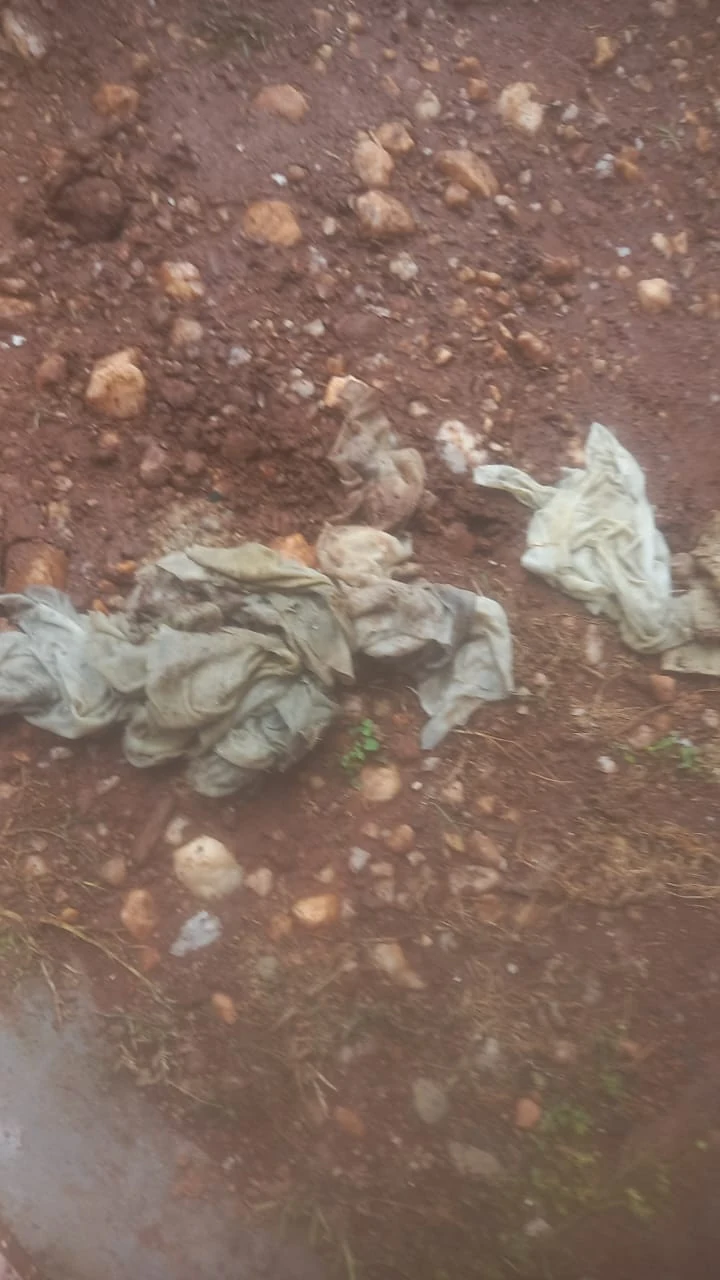
Wipes, sanitary products, cotton pads, earbuds and paper towel can catch inside bends and connectors instead of breaking down like normal toilet paper.
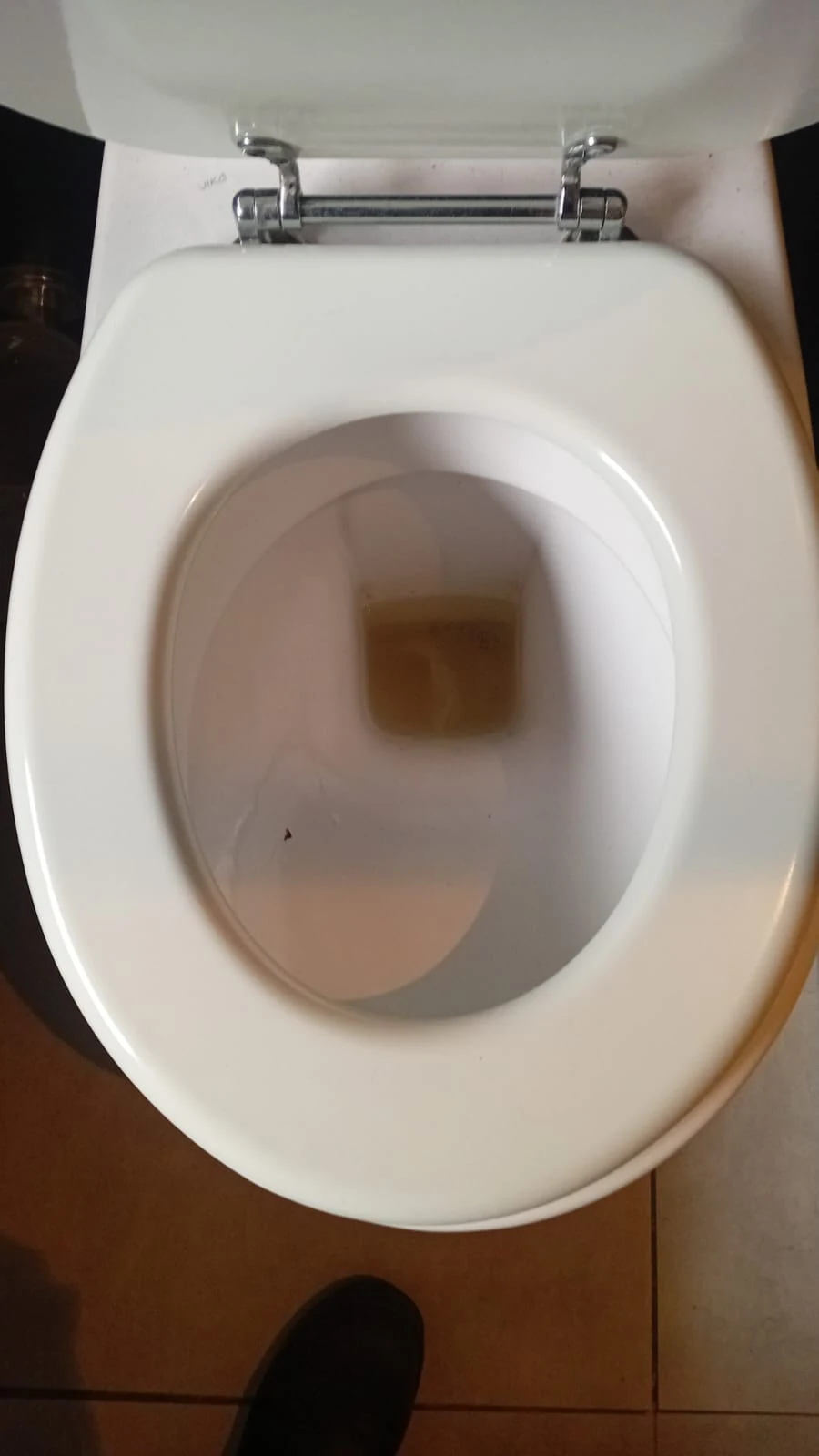
Toys, deodoriser holders, plastic items and cloth can lodge inside the toilet trap and create sudden blockages that do not clear with repeated flushing.
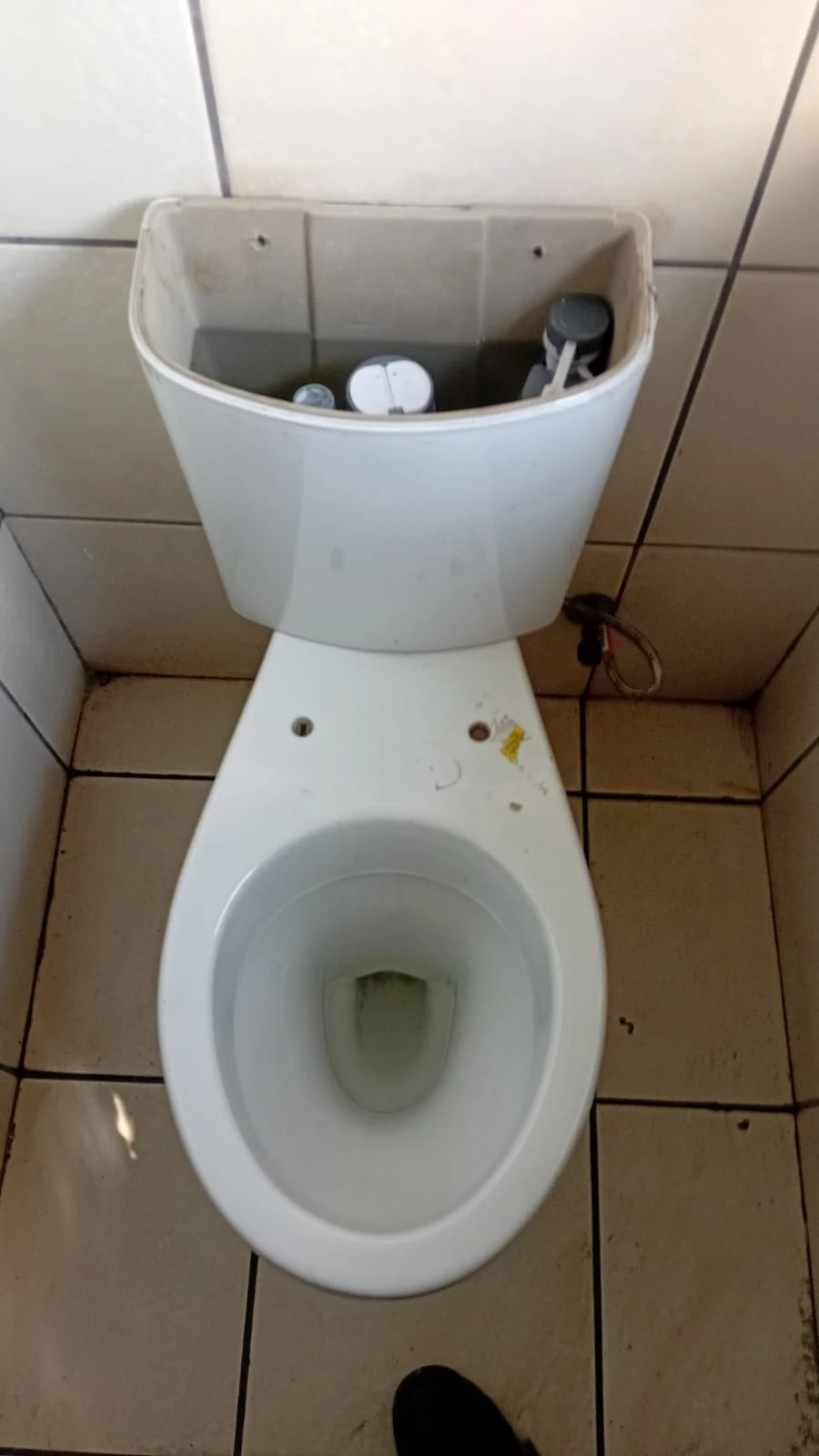
A toilet with poor flush volume, bad alignment or a restricted connector may not move waste far enough, causing repeated local blockages.
When more than one fixture reacts, the blockage may sit beyond the toilet in the bathroom branch line, sewer run or outside drain route.
Blocked toilet prevention
Prevention is especially useful in homes, complexes, offices and shops where one blocked toilet can quickly affect floors, passages, shared bathrooms or customers.
Wipes, paper towel, sanitary products, cotton pads, cloth, nappies and food waste should stay out of the toilet because they can catch inside the trap or branch line.
A slow toilet is an early warning sign. Repeated flushing adds water to a restricted line and can cause overflow before the blockage is cleared.
Bubbling, sewer smell and frequent plunging can point to a deeper waste-line concern, especially if a nearby shower, basin or outside gully also reacts.
Do not permanently block the toilet base, nearby inspection openings or outside gully access. Clear access makes blockage checks and pan-connector work easier.
Blocked toilet service areas
When you contact us, mention the area, property type, how many toilets are affected and whether any shower, basin or outside gully is backing up too.
Blocked toilet clearing artisans
A blocked toilet can be a simple pan restriction, a trapped object, a pan connector problem or a warning sign from the bathroom branch line. The artisans below support toilet-clearing work with careful checks around the pan, flush behaviour, nearby drains and outside gullies.
Plumber
Supports blocked toilet clearing where the pan, trap, flush pattern and bathroom waste route need to be checked before forcing the obstruction deeper into the line.
Focus area: Toilet pan restrictions, slow flushes, pan connector symptoms and bathroom waste-line behaviour.
Plumber
Helps with toilet blockage call-outs where the visible symptom may be linked to a branch-line restriction, outside gully reaction or repeat bathroom drainage issue.
Focus area: Repeat toilet blockages, nearby drain checks and practical clearing routes for domestic bathrooms.
Plumber
Assists with everyday toilet faults where careful handling matters, including high water levels, weak flushing, pan overflow risk and blocked waste movement.
Focus area: Overflow control, blocked pan clearing, toilet base checks and customer guidance during urgent call-outs.
Plumber
Works on blocked toilet situations where neat access, floor protection and careful testing are needed after the toilet has been cleared and flushed.
Focus area: Toilet clearing follow-up checks, bathroom floor protection and signs of remaining waste-line restriction.
Plumber and Electrician
Supports plumbing call-outs where wet bathroom areas, nearby services and practical fault control need to be considered during a toilet blockage response.
Focus area: Wet-area awareness, toilet isolation points and safe access around bathrooms, passages and nearby service points.
Plumber and Electrician
Assists on service calls where blocked toilets, bathroom water control and connected site conditions need calm checking before repairs or further drainage work is planned.
Focus area: Bathroom service checks, toilet blockage preparation and practical fault-routing support.
Blocked toilet clearing FAQ
Blocked toilets can be simple pan restrictions or signs of a deeper bathroom waste-line problem. These answers explain what to do first, what to avoid and when a blocked toilet may need more than plunging.
A blocked toilet is urgent when the pan is filling instead of flushing away, wastewater is close to overflowing, more than one toilet is affected, or sewage is backing up through a shower, bath waste or outside gully. Those signs can point to a deeper branch or main drain restriction rather than only a toilet-pan blockage.
Stop flushing immediately and do not add more water to the pan. If the toilet has an accessible isolation valve, close it gently. Keep the floor clear around the toilet base and send a photo or short video showing the water level, pan type and whether nearby drains are also affected.
Repeat toilet blockages usually mean the cause was not only the visible obstruction in the pan. The issue may be a restricted toilet trap, poor flush volume, a blocked branch line, roots in the drain, a damaged connector, a low-fall waste route or objects caught further down the line.
Yes. Wipes do not break down like toilet paper inside domestic waste lines. They can catch inside the toilet trap, pan connector, branch line, inspection bend or main sewer route, especially where there is scale, roots, poor fall or an older pipe section.
A blocked toilet can be limited to the pan trap, toilet connector or short branch line. A blocked drain is usually deeper in the waste route and may affect showers, basins, baths, outside gullies or more than one toilet. The pattern of affected fixtures helps separate the two.
Bubbling usually means air is being pushed through the toilet water seal because the waste line is restricted or poorly vented. If the toilet bubbles when a bath, basin, washing machine or another toilet drains, the blockage may be further along the shared branch or main drain route.
Yes. A partial restriction can hold waste inside the toilet outlet or branch line, which can create unpleasant odours. Smells can also come from a loose pan connector, poor water seal, cracked waste fitting, or a deeper sewer restriction pushing gases back toward the bathroom.
It is usually better to avoid strong chemicals when the toilet is already blocked. Chemical water can sit in the pan or trap and may splash when the toilet is plunged, rodded or opened. Mechanical clearing and correct diagnosis are safer for serious toilet blockages.
The method depends on where the blockage sits. A toilet plunger may help a soft local blockage, while a closet auger, rods, pan removal, branch-line clearing or inspection point access may be needed for deeper or repeat blockages. The aim is to clear the obstruction without damaging the pan or connector.
Not always. Many blockages can be cleared through the pan or a nearby access point. Pan removal is considered when the obstruction is trapped in the connector, when the toilet has been blocked by a hard object, or when safe access through normal clearing routes is not enough.
Send a photo of the toilet, the water level in the pan, the floor area around the base, and any outside gully or inspection point if it is easy to see. Also mention whether other fixtures are slow, whether the toilet bubbles, and whether this has happened before.
Yes. Toys, deodoriser cages, sanitary products, cloth, plastic items and other objects can lodge inside the toilet trap or connector. These blockages often do not clear properly with repeated flushing and may require careful retrieval or pan access.
Water around the base can come from overflow, a stressed pan connector, a loose seal, a cracked fitting or water escaping after repeated plunging. It should be checked because a blocked line can hide a separate pan, connector or seal problem.
Only toilet paper and normal waste should go into the pan. Avoid wipes, paper towel, cotton pads, sanitary products, earbuds, food, grease, nappies and cleaning cloths. If a toilet needs repeated plunging, the line should be checked instead of being treated as a normal blockage.
Yes. Blocked toilet clearing can be handled for houses, flats, complexes, offices, shops and other business premises. The important details are how many toilets are affected, whether other drains are backing up, and whether the blockage is local to one pan or part of a wider waste-line issue.
Need blocked toilet clearing?
Share the water level, flush behaviour, nearby drain symptoms and whether the same toilet has blocked before so the clearing route can be planned clearly.