Share roof and geyser photos
Photos of the roof plane, current geyser and ceiling access help identify practical routing concerns.
Solar geyser installation
A solar geyser installation must balance roof position, cylinder layout, valves, backup heating, drainage and future maintenance access.
Plumb A Nator helps with solar geyser installation planning where a property needs a new solar hot-water system, a replacement cylinder, collector routing, valve layout, drip-tray drainage or electric backup integration. This service focuses on plumbing-side decisions and serviceability rather than treating solar as a simple product drop-off.
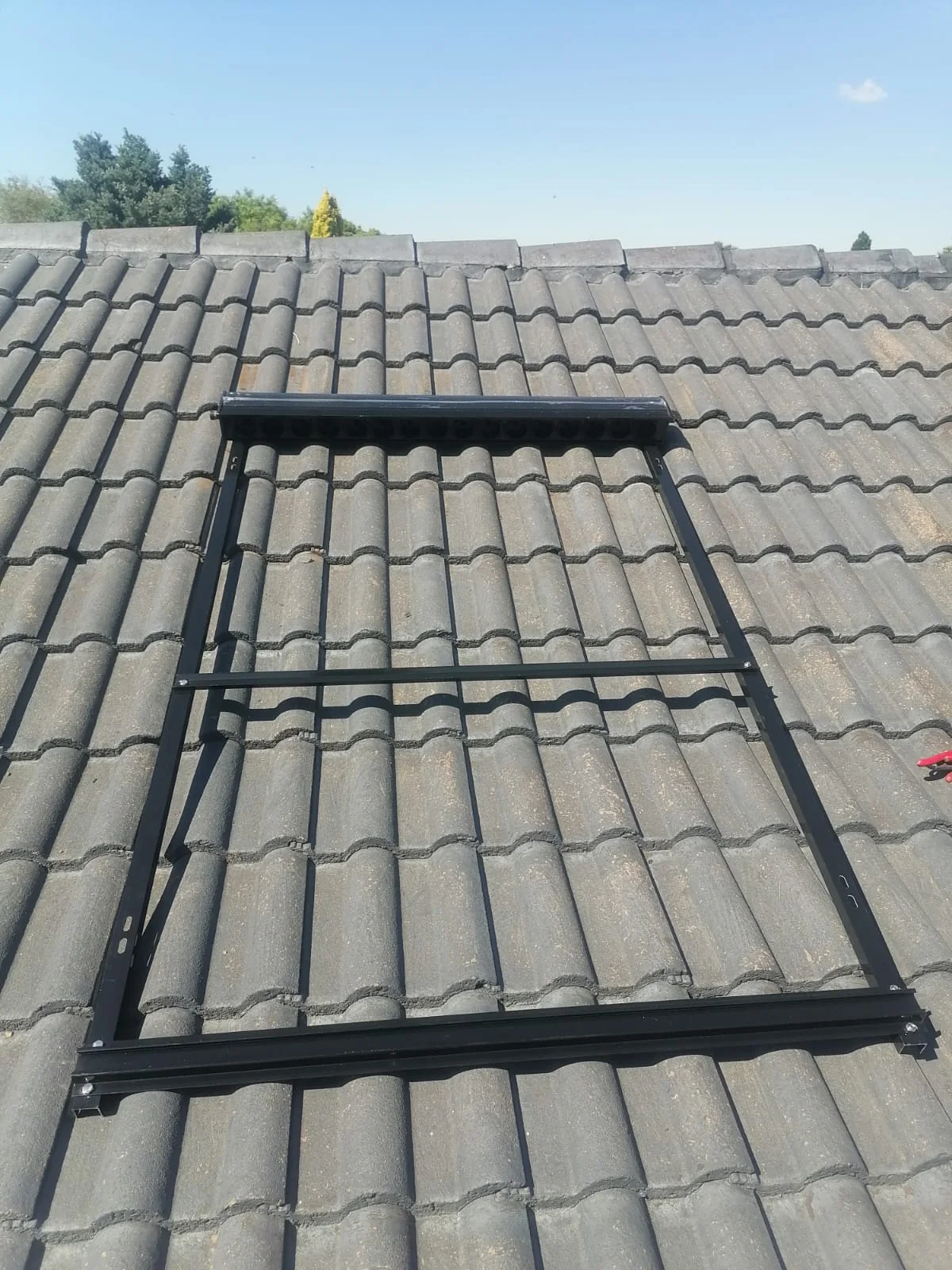
Solar hot-water planning
Collector position, cylinder size, valve layout, hot-water demand, roof structure, overflow routing and backup heating all affect whether a solar geyser installation remains practical after the first day.
Useful details include roof type, geyser location, current capacity, number of bathrooms, shading, ceiling access, overflow route and whether insurance or body corporate approval is involved.
Before the team arrives
Solar geyser work can involve roof access, ceiling access, valve changes and hot-water rerouting. Clear access and accurate photos help prevent wrong assumptions about where the system can be placed.
Photos of the roof plane, current geyser and ceiling access help identify practical routing concerns.
Number of bathrooms, regular shower times and appliance use affect cylinder sizing and backup needs.
Body corporate rules, roof access limits, shading and old pipe routes can affect installation decisions.
Valves, drip trays and overflow points should remain serviceable after the installation.
Focused service
This section keeps the solar page focused on plumbing, hot-water safety and serviceability.
These points sit together in one visible section so property owners can quickly compare the roof, sizing, valve and backup-heating decisions before booking the solar geyser installation.
Sizing
A solar geyser should match household demand and expected recovery time. Undersizing can cause cold-water complaints while oversizing may add unnecessary cost and complexity.
Roof
Collector position affects performance, pipe length, roof penetrations and maintenance access. The plumbing route must be planned before the system is fixed.
Valves
Solar geyser systems still depend on correct valve layout, pressure control, vacuum breakers and overflow discharge. Poor routing can create leaks or hidden damage later.
Backup
Many solar geyser systems need backup heating or integration with existing hot-water plumbing. Service access should not be blocked by finishes or roof constraints.
Written solar confirmation
Roof position, cylinder location, collector route, pressure control, electric backup and access can change the final installation method. The solar installation policy explains how quotations, suitability checks and written confirmations are handled before work proceeds.
Use the policy page when comparing solar geyser options so the quote, site assessment and installation responsibility are clear before materials are ordered.
Solar Geyser Installation FAQ
These answers are written for practical plumbing decisions, safety and preparation before the team arrives.
Roof position, cylinder size, plumbing route, valve layout, pressure control, overflow routing, access and hot-water demand should be checked before installation is confirmed.
Often yes, depending on roof position, cylinder location, pipe routes, valve layout, budget and whether backup heating is required.
Many systems use backup heating for cloudy days or high-demand periods. The need depends on household use and system design.
The collector should be positioned for useful sun exposure, practical pipe routing, roof suitability and future maintenance access.
Some systems use a ceiling or roof-space cylinder, but access, support, drainage and valve layout must be suitable.
A drip tray and useful outlet help direct water away if the cylinder or valves leak. Without a proper route, ceiling damage can still happen.
Pressure control, safety valves, vacuum breakers, isolation points and drain points can all affect safety and serviceability.
Performance can drop during cold or cloudy periods, which is why sizing and backup heating decisions matter.
Timing depends on access, system type, roof work, valve changes, drainage and whether an old geyser must be removed.
A correctly planned system can reduce reliance on electric water heating, but results depend on usage, weather, sizing and backup settings.
Photos of the roof, current geyser, overflow pipe, DB area and ceiling access help plan the discussion.
Yes, but approval, access, body corporate rules and maintenance responsibility should be clarified before work starts.
The old cylinder may be removed or incorporated into a specific upgrade plan depending on the chosen system and site conditions.
Yes. Pressure conditions and valve layout affect performance, discharge and component life.
It may be unsuitable when roof position, shading, access, structure, budget or hot-water demand makes the system impractical without changes.